
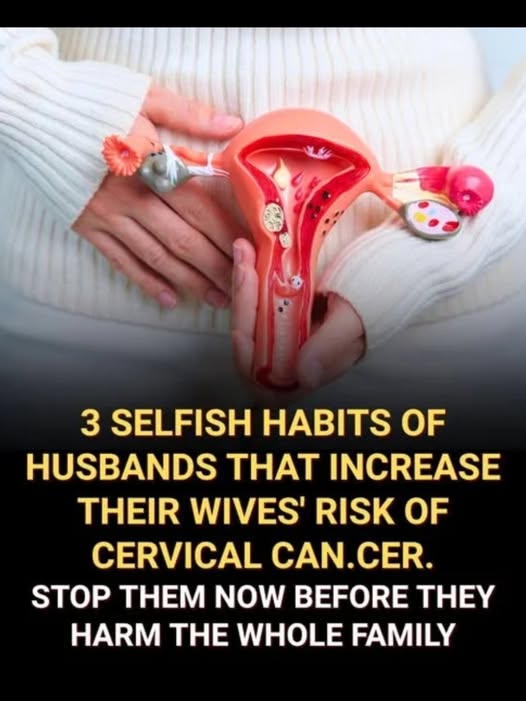
Cervical health is not just a medical topic; it is a shared responsibility shaped by communication, trust, and informed choices between partners. Conversations about cervical cancer risk, human papillomavirus (HPV), and intimacy can feel uncomfortable, but silence is far more dangerous than honesty. Modern medical research is clear on one point: prevention works best when both partners understand how everyday behaviors influence long-term reproductive health and take steps together to reduce risk.
Cervical cancer develops slowly, often over many years, and in the vast majority of cases it is linked to persistent infection with high-risk strains of HPV. HPV is extremely common, and most sexually active people will encounter it at some point in their lives. In many cases, the immune system clears the virus naturally. Problems arise when the infection persists, especially in the presence of additional risk factors that weaken immune response or delay detection. This is where partner-related behaviors can quietly shape outcomes.
One of the most significant factors is not using protection against sexually transmitted infections. HPV spreads primarily through skin-to-skin genital contact, not solely through penetrative intercourse. Because condoms do not cover all genital skin, they cannot eliminate HPV risk entirely. However, decades of epidemiological data show that consistent condom use significantly lowers the transmission of high-risk HPV strains most closely associated with cervical cancer. Condoms also reduce exposure to other infections such as chlamydia, gonorrhea, and HIV, which can inflame cervical tissue and impair the body’s ability to clear HPV once exposed.
Continue reading next page…