
One of the earliest and most overlooked warning signs is unusual, persistent fatigue. This is not normal tiredness after a long day or poor sleep. It is a deep, heavy exhaustion that does not improve with rest and may appear suddenly in people who were previously active. Everyday tasks—walking short distances, showering, carrying groceries, climbing a few stairs—can feel disproportionately draining. This happens because the heart is no longer pumping efficiently enough to meet the body’s energy demands, forcing muscles and organs to function with less oxygen. Many people attribute this fatigue to stress, burnout, or aging, delaying medical evaluation when it matters most.
Another major warning sign is shortness of breath. Difficulty breathing during routine activities, while resting, or when lying flat can indicate that the heart is struggling to circulate blood properly. When the heart weakens, fluid can back up into the lungs, making breathing feel labored or shallow. Some people wake up at night gasping for air or need multiple pillows to sleep comfortably. This symptom is especially dangerous when it appears without a clear cause such as respiratory illness or intense exertion. Shortness of breath is one of the most reliable indicators that the cardiovascular system is under strain and should never be ignored.
Chest discomfort is perhaps the most recognized symptom, yet it is also one of the most misunderstood. Early heart-related chest sensations are often mild, intermittent, and vague. They may feel like pressure, tightness, heaviness, burning, fullness, or an uncomfortable squeezing sensation rather than sharp pain. These sensations can come and go, leading people to dismiss them as indigestion, muscle strain, or anxiety. The absence of severe pain does not mean the heart is fine. In fact, many people who experience heart attacks later report weeks of subtle chest discomfort beforehand.
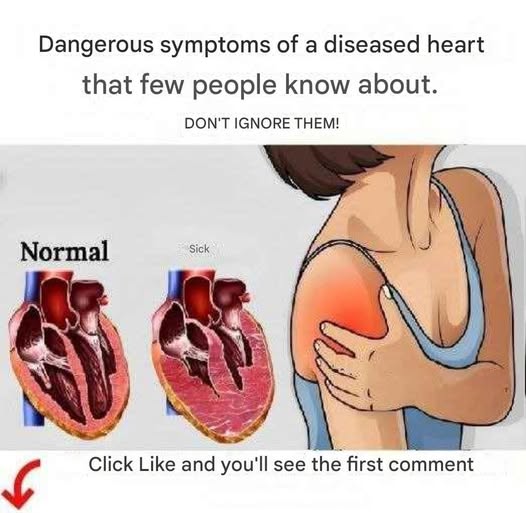
Pain that appears outside the chest is another warning sign that frequently leads to confusion. Heart-related pain can radiate to the arms—especially the left arm—but also to the shoulders, back, neck, jaw, or upper abdomen. This discomfort may feel dull, aching, tight, or simply “off.” Because it doesn’t fit the stereotypical image of heart pain, people often ignore it or seek treatment for unrelated issues. The nervous system sometimes interprets cardiac distress as pain in distant areas, making this symptom easy to misread but medically significant.
Dizziness, lightheadedness, or sudden episodes of weakness can also signal heart trouble. These sensations occur when the brain receives insufficient blood flow due to reduced cardiac output or abnormal heart rhythms. People may feel unsteady, confused, faint, or as if they might lose consciousness. In some cases, this is accompanied by nausea or cold sweats. These symptoms should always be evaluated promptly, especially if they appear alongside fatigue or shortness of breath.
Swelling in the feet, ankles, legs, or lower abdomen is another subtle but important sign. When the heart cannot pump effectively, blood returning from the lower body can pool, leading to fluid buildup. This swelling may worsen throughout the day or persist despite rest. While swelling can have many causes, unexplained or progressive fluid retention is a known indicator of heart failure and reduced circulation. Tight shoes, visible indentations in the skin, or sudden weight gain from fluid retention should not be ignored.
These warning signs matter because they rarely appear in isolation. The body often sends multiple signals at once, each small enough to overlook but collectively pointing toward cardiovascular distress. They can develop gradually, making them easier to rationalize away. Yet early recognition allows doctors to identify blocked arteries, high blood pressure, irregular heart rhythms, or weakened heart muscle before a heart attack occurs.
Preventive action is far more effective—and far less costly—than emergency intervention. Paying attention to physical changes, scheduling regular medical checkups, and addressing risk factors can dramatically reduce the likelihood of a serious cardiac event. A heart-healthy lifestyle includes balanced nutrition, regular physical activity appropriate for one’s condition, quality sleep, stress management, and avoidance of smoking and excessive alcohol use. Managing conditions such as high cholesterol, diabetes, obesity, and hypertension is critical for long-term cardiovascular health.
Modern diagnostic tools make early detection more accessible than ever. Blood tests, imaging, stress tests, and heart rhythm monitoring can identify problems before symptoms become life-threatening. The key is not ignoring what the body is already trying to communicate.
The heart works continuously, day and night, without rest. When it begins to struggle, it speaks quietly at first. Learning to listen—to fatigue that feels wrong, breathlessness that doesn’t make sense, discomfort that won’t fully disappear—can mean the difference between prevention and emergency.
Protecting heart health is not about fear. It is about awareness, responsibility, and respect for the body’s signals. Acting early is one of the most powerful investments a person can make in their future health, independence, and quality of life.