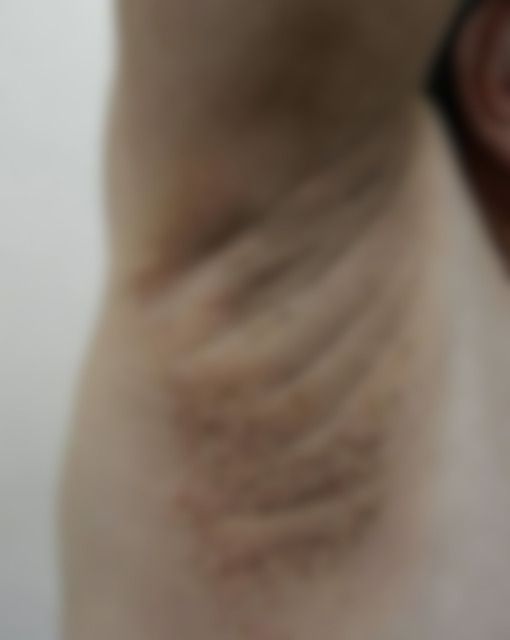
You notice it while getting ready in the morning: a darker patch of skin around the back or sides of your neck.
At first, it may look like ordinary discoloration. You might even wonder whether it is caused by sweat, dirt, friction, or a recently worn collar.
But when washing doesn’t make it disappear, you may start wondering what is actually causing it.
One possible explanation is a skin condition called acanthosis nigricans.
Although it is usually harmless on its own, this distinctive skin change can sometimes be associated with underlying health conditions, particularly problems involving insulin regulation. That is why a new or unexplained change is worth discussing with a healthcare professional.
What Does Acanthosis Nigricans Look Like?
Acanthosis nigricans typically causes areas of skin to become darker, thicker, and more velvety than the surrounding skin.
The color can vary considerably depending on a person’s natural skin tone. The affected area may appear brown, grayish, or significantly darker than nearby skin.
Unlike ordinary dirt or surface residue, the change generally does not disappear with washing.
The texture can also become noticeably different. Rather than simply looking darker, the skin may feel slightly thicker or softer and more velvety.
Where Does It Usually Appear?
Acanthosis nigricans tends to develop in areas where skin folds or rubs together.
Common locations include:
- The back or sides of the neck
- The underarms
- The groin
- The elbows and knees
- The knuckles
It can occasionally appear in other locations as well.
The neck is particularly common, which is why people sometimes notice the condition for the first time while looking in a mirror.
Why Can This Skin Change Happen?
Continue reading on the next page…