
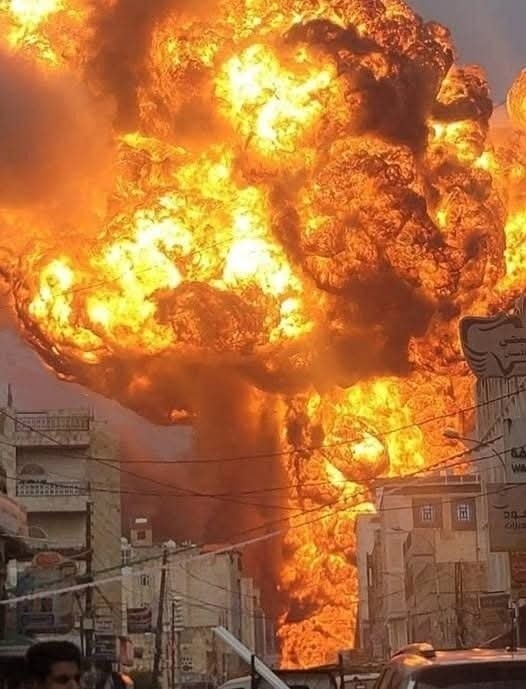
The fire in Pamplona Alta started as a single blaze on a cramped hillside, but within minutes it turned into a roaring wall of flames that tore through the community with brutal speed. Families ran with whatever they could grab—important documents shoved into plastic folders, a single change of clothes, a photo ripped from a wall already filling with smoke. Most escaped with nothing more than the items they could hold in their hands.
In the narrow alleys carved into the hillside, neighbors tried to fight the fire themselves long before emergency crews could even reach the area. They formed human chains, passing buckets of water pulled from plastic barrels and makeshift tanks, shouting instructions through the smoke as sparks rained down around them. But the houses here—built from thin plywood, recycled metal sheets, cardboard, and tarps—stood no chance. They caught fire like dry leaves, collapsing in on themselves as the flames swept upward, house by house, row by row.
By the time firefighters gained control of the inferno, the damage was staggering. Early estimates placed the number of homes destroyed or damaged at around three hundred. But numbers never tell the full story. Every “destroyed home” is a kitchen table where a family once ate together, a mattress where a child slept, a shelf holding medicines for an aging parent. Now those places are gone, replaced by charred beams, twisted roofing sheets, and the smell of smoke that lingers long after the flames die.
Continue reading next page…