
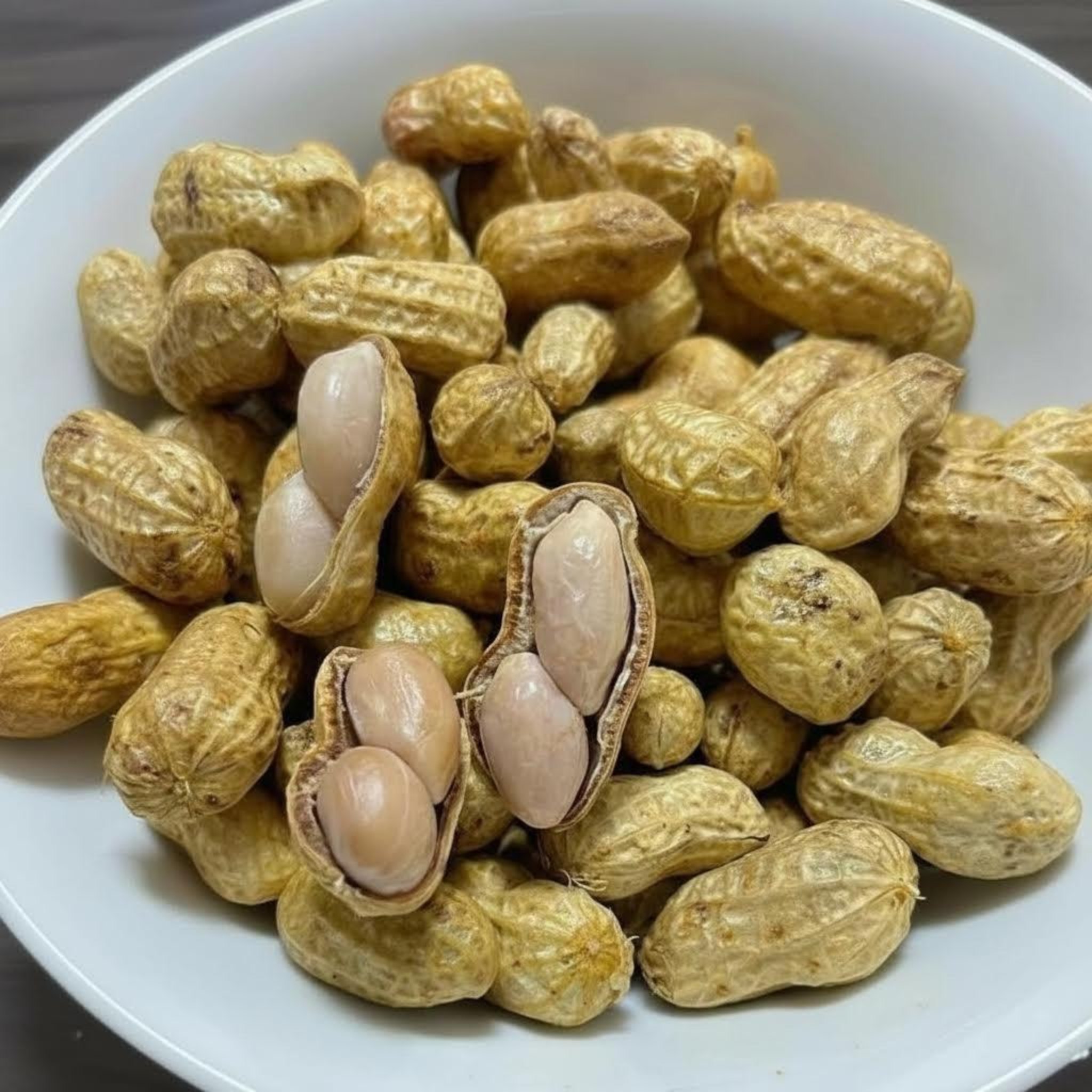
Peanuts have been part of global food culture for centuries, prized not just for their taste but for how easily they fit into everyday meals. In countries like Brazil, they’re woven into tradition itself—pressed into soft paçoca, mixed into crunchy pé-de-moleque, or folded into festive sweets that show up at every celebration. Their appeal isn’t complicated: peanuts are affordable, satisfying, and versatile enough to land in everything from street snacks to family recipes passed down for generations. But beyond their flavor and familiarity, peanuts also pack a nutritional punch that makes them useful in healthy eating—so long as they’re consumed with awareness and respect for individual needs.
Although technically legumes, peanuts behave nutritionally like tree nuts, offering a dense mix of plant-based protein, heart-friendly fats, and essential vitamins and minerals. Vitamin E helps protect cells from everyday wear. B vitamins support normal energy production. Minerals such as calcium, phosphorus, and iron contribute to bone health, oxygen circulation, and overall metabolic balance. The legume category doesn’t quite capture what peanuts offer: they’re closer to a compact energy and nutrient source, designed by nature to fuel long stretches of work, movement, or study without constant snacking.
Peanuts also contain compounds that nutrition researchers are still studying, such as lecithin and several antioxidants. These elements have been associated with cardiovascular support and improved satiety. And that’s something many people notice immediately—peanuts keep you full. Their combination of protein, fat, and fiber slows digestion just enough to sustain energy, making them far more satisfying than many processed snacks. For people trying to avoid constant grazing or sugar-driven crashes, a controlled serving of peanuts can act as a steadying force.
Continue reading on the next page…