
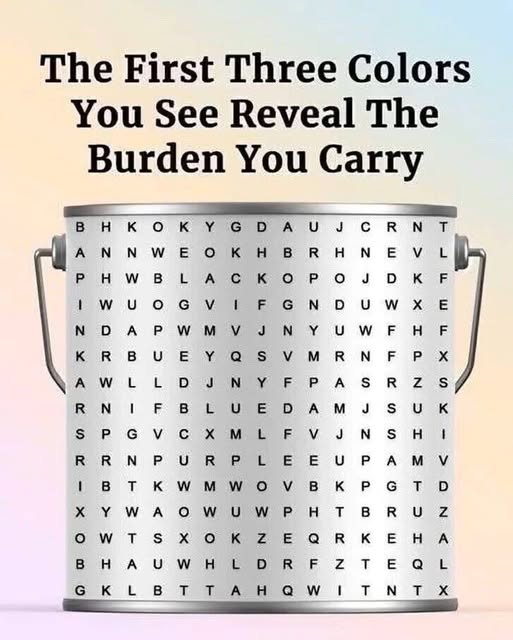
Color speaks long before we do. It moves through a room, slips into our thoughts, and settles into our emotions without making a sound. Most people assume their favorite shades are just preferences—blue feels safe, red feels bold, green feels soothing—but the truth is more layered. The colors we choose often mirror what’s happening inside us. They reveal needs we haven’t spoken aloud, emotions we haven’t sorted through, and the environments where we feel most at ease. Color is its own quiet language, and whether we realize it or not, we use it every day.
Think about red, a color that refuses to blend into the background. Red pulses with energy, determination, and urgency. People who gravitate toward red often do so during moments when they need confidence or want to feel more powerful. Sometimes it reflects an inner fire—ambition, courage, or restlessness. Other times, it’s a signal of craving stimulation, excitement, or momentum. Red pushes us to act, to step forward, to be seen.
Then there’s blue, its opposite in almost every way. Blue doesn’t shout; it steadies. It’s the color of deep breath, clear thought, and emotional cooling. When someone chooses blue repeatedly, they may be looking for calm in the middle of chaos or stability during a stressful period. Blue creates a sense of trust and honesty, which is why so many people surround themselves with it—walls painted in muted navy, clothes in soft denim, accents of sky blue. Blue tells the nervous system to slow down, offering clarity when life feels cluttered.
Continue reading next page…