
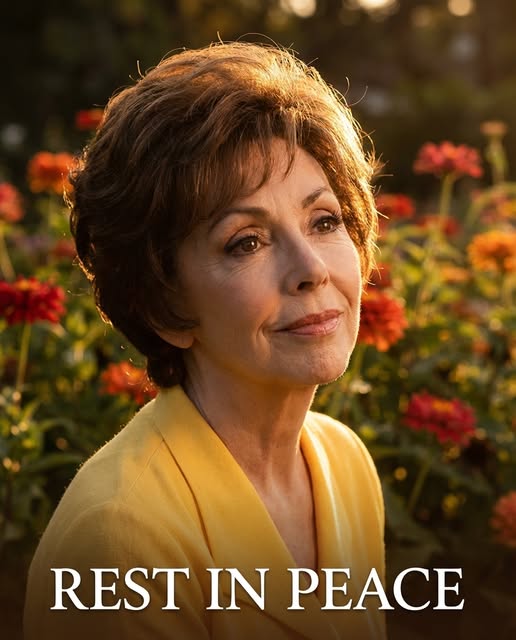
The passing of Barbara Rush at the age of 97 feels like the quiet closing of a chapter written during one of Hollywood’s most disciplined and artistically grounded eras. She represented a generation of performers shaped by craft rather than celebrity, where lasting screen presence mattered more than headlines, and where subtlety carried more weight than spectacle. Her career unfolded during a time when films trusted audiences to feel deeply without being told how, and her performances embodied that philosophy with clarity and restraint.
Rush came of age professionally in the early 1950s, a period often described as the golden age of classic Hollywood cinema. It was an era defined by strong studio storytelling, carefully developed actors, and films built for long-term cultural impact. She emerged quickly as a talent worth watching, earning the Golden Globe Award for Most Promising Newcomer, a recognition that carried genuine meaning in an industry that invested heavily in the future of its stars. Unlike many who burned brightly and disappeared, Rush translated that early promise into a long, steady, and respected career.
Her filmography reads like a cross-section of mid-century American cinema. She moved effortlessly between genres, appearing in science fiction, romantic dramas, melodramas, and mainstream studio productions without being boxed into a single identity. In It Came from Outer Space, a film now widely regarded as a cornerstone of classic science fiction movies, Rush brought emotional realism to a genre often driven by concept alone. Her performance helped ground the story, making it resonate beyond its era and ensuring its place in film history discussions, vintage movie collections, and classic film streaming libraries.
Continue reading next page…