
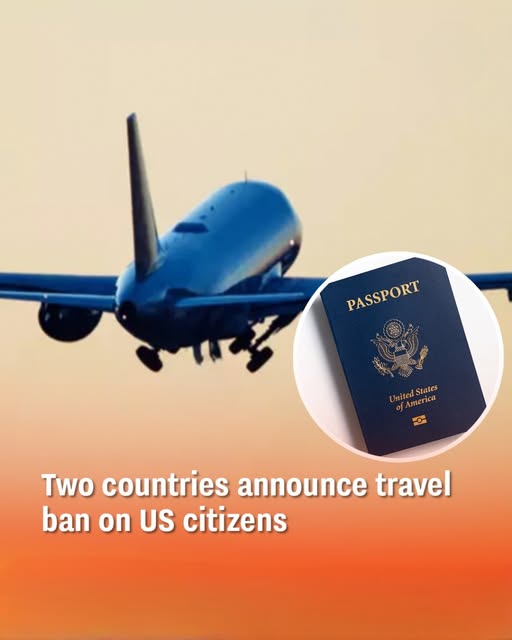
A new wave of global travel restrictions is shaking up international mobility and sparking diplomatic friction. Two countries have now officially banned U.S. citizens in direct response to expanded American entry restrictions, signaling a fast-escalating, reciprocity-driven standoff that’s affecting tourism, business travel, security cooperation, and international relations.
Since returning to office, Donald Trump has placed immigration enforcement and border security at the center of U.S. policy. This month, the administration unveiled sweeping travel restrictions, expanding a list that now includes 39 countries facing full or partial bans—one of the broadest U.S. travel restriction regimes in modern history.
The White House frames these measures as a national security imperative, arguing tighter controls ensure travelers entering the U.S. don’t pose risks. Officials claim the bans target countries with deficiencies in document security, information-sharing practices, or border compliance. Supporters say this approach pressures governments to modernize systems and cooperate more closely with U.S. authorities.
Critics see it differently. Human rights groups, international law experts, and foreign governments warn that the bans punish ordinary citizens rather than officials, disrupting economies, straining diplomatic ties, and creating uncertainty for travelers, multinational companies, and humanitarian organizations.
Continue reading on the next page…