
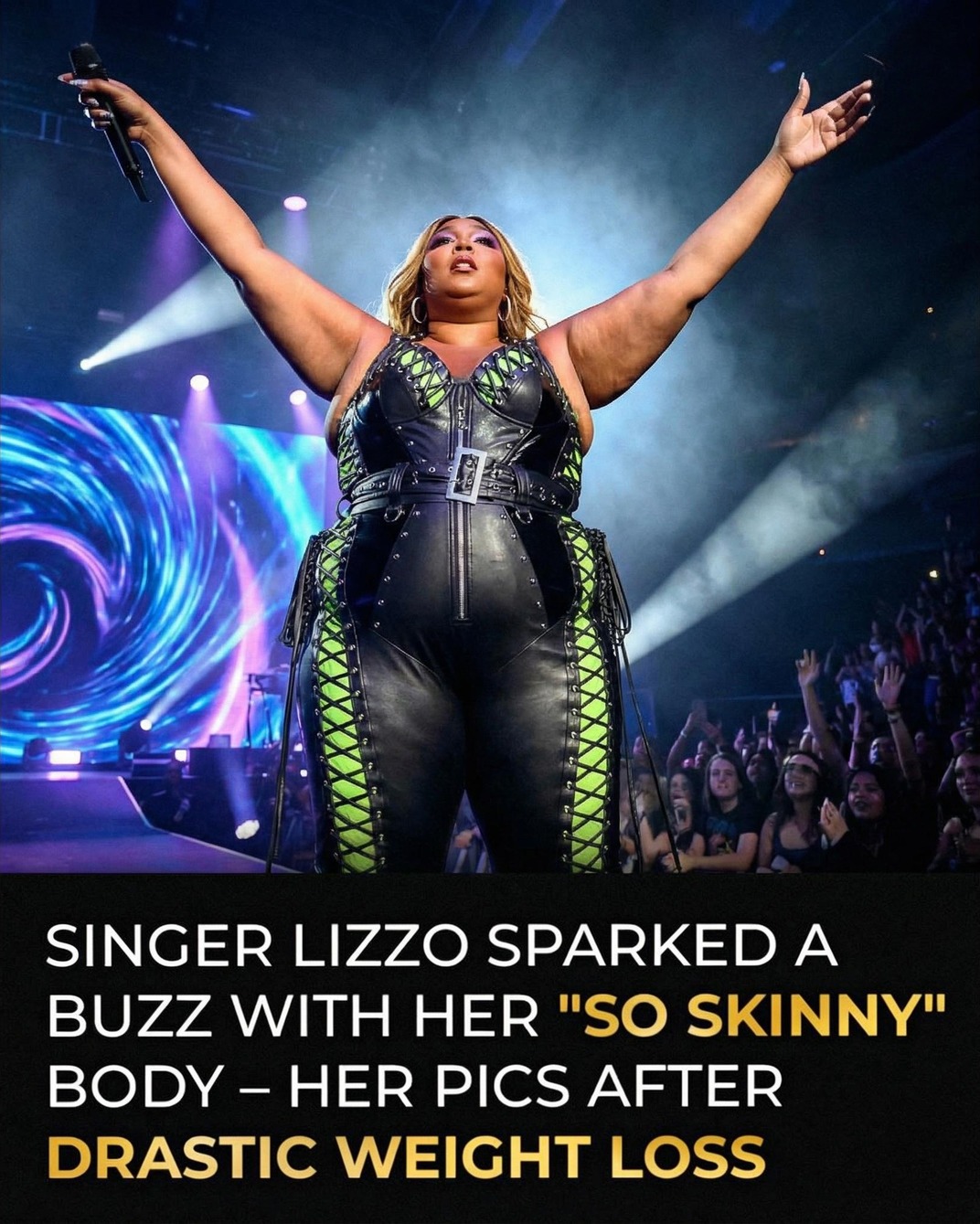
In today’s fast-moving world of celebrity news and social media trends, few topics generate as much attention as a visible change in a public figure’s appearance. Recently, Grammy-winning artist Lizzo sparked widespread conversation after sharing new photos and making public appearances that highlighted a noticeable shift in her physique. Online reactions quickly followed, ranging from surprise to praise, but throughout the discussion, Lizzo has remained consistent in her message: her changes are rooted in personal wellness, not outside pressure.
Rather than a sudden transformation, Lizzo’s current appearance reflects years of intentional effort. As far back as 2020, she openly shared parts of her daily routine, including structured workouts such as jump rope, cycling, strength training, and Pilates. Unlike many celebrity fitness stories that focus solely on aesthetics, Lizzo framed her approach around body neutrality—the idea that caring for one’s body doesn’t require constant admiration of how it looks. Her message emphasized movement, consistency, and respect for the body’s ability to support creativity and performance.
By documenting her lifestyle over time, Lizzo reminded fans that physical health is not static. Bodies naturally change, especially under the demands of touring, recording, and performing. For her, progress has never been about meeting industry beauty standards but about maintaining the energy and endurance required for a demanding career in music and entertainment.
As photos of her recent appearances circulated, speculation quickly followed—particularly in an era when medical weight-loss treatments are frequently discussed in celebrity media. Lizzo addressed these rumors directly, making it clear that her results were not tied to quick fixes or pharmaceutical shortcuts. Instead, she credited long-term athletic training and meaningful changes to her eating habits, describing the process as gradual, disciplined, and sustainable.
Her longtime trainer, Corey Calliet, supported this explanation, noting that Lizzo committed to months of consistent, performance-focused training. Preparing for high-energy live shows—often lasting more than two hours and involving singing, dancing, and playing instruments—requires serious cardiovascular conditioning. To support that workload, she adjusted her nutrition toward protein-rich, nutrient-dense meals designed to fuel recovery and mental focus rather than follow restrictive diet trends.
Beyond physical strength, Lizzo has spoken openly about improvements in mental clarity and emotional balance. She explained that prioritizing balanced nutrition and regular movement helped reduce stress and improve concentration, an important factor for anyone navigating a high-pressure career in the public eye.
Perhaps the most significant evolution, however, has been in her messaging. Once widely associated with the body-positivity movement, Lizzo has gradually embraced a more nuanced philosophy centered on body neutrality. This perspective allows space for self-acceptance while also acknowledging that personal goals and health priorities can change over time. For many fans, this shift has felt more realistic and relatable.
Her shapewear brand, Yitty—developed in partnership with Fabletics—reflects this mindset. Rather than focusing solely on appearance, the brand emphasizes comfort, function, and inclusivity, offering performance-driven designs across a broad size range. The goal, according to Lizzo, is to help people feel supported and confident in their bodies as they move through daily life.
Not all reactions have been positive. Some longtime supporters questioned whether her changing appearance conflicted with earlier messages about self-acceptance. Lizzo addressed these concerns by reinforcing the importance of personal autonomy. She has consistently stated that true empowerment includes the freedom to evolve, set new goals, and make choices that support one’s health and happiness—without being confined by public expectations.
As celebrity culture continues into 2026 with no sign of slowing its focus on physical appearance, Lizzo’s journey offers an alternative narrative. Her story centers on intention rather than image, highlighting that meaningful change often happens quietly through daily routines, consistent habits, and private decisions long before it becomes a trending topic online.
Ultimately, Lizzo remains a powerful presence in the entertainment industry because she refuses to be boxed into a single identity. She is an accomplished musician, a performer, an entrepreneur, and a person allowed to grow and change. Whether on stage, in the gym, or sharing moments of vulnerability with her audience, she continues to challenge outdated assumptions about health, success, and self-worth.
Her recent transformation is not presented as a final outcome, but as one chapter in an ongoing wellness journey. By staying transparent and intentional, Lizzo encourages fans to respect their own paths and remember that the most meaningful transformation is choosing to live for personal vitality rather than public approval.