
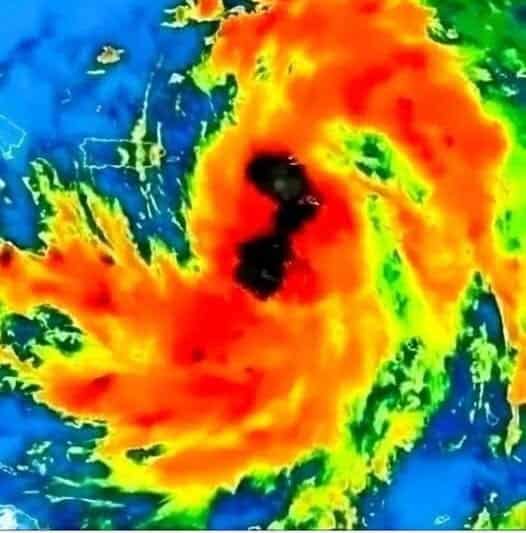
The natural world is currently staging a relentless and unprecedented display of power across the Caribbean and the Southeastern United States, weaving together a tapestry of geological, atmospheric, and tropical threats. This convergence of disasters has created a logistical and humanitarian labyrinth, marking one of the most volatile meteorological periods in modern memory. From the tectonic shifts beneath the sea to the high-altitude plumes of the Sahara, the region is caught in a multidimensional crisis that is testing the limits of human endurance and infrastructure.
The atmospheric chaos began with a subtle but unsettling reminder of the Earth’s physical instability. A significant earthquake struck near the coast of Trinidad, sending tremors through island communities already on edge from a hyper-active hurricane season. While the immediate structural damage was not catastrophic, the psychological toll was profound. In a region where the ground is supposed to be the only stable thing amidst the swirling winds of the Atlantic, the earthquake served as a grim prologue to the week’s escalating drama. It signaled a period of unrest that would soon migrate from the earth to the sky and the sea.
As the dust settled from the tremors, a far more visible and suffocating phenomenon began its trek across the ocean. A massive, dense plume of Saharan dust, carried by the trade winds from the African continent, has draped the Caribbean islands in a ghostly, sepia-toned haze. This is not a mere seasonal nuisance; the current concentration of particulate matter has plummeted air quality to hazardous levels. For those with chronic respiratory conditions, the air has become a silent adversary, forcing thousands to retreat indoors. The fine, abrasive sand has coated everything from solar panels to hospital entranceways, disrupting visibility to the point where regional aviation and maritime travel have been forced into a state of cautious paralysis.
Continue reading next page…