
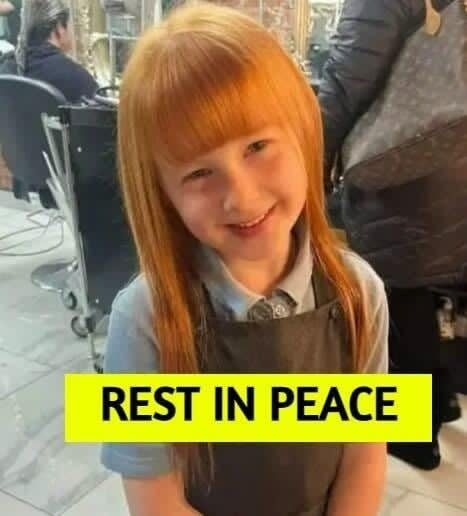
The story of five-year-old Lila Marsland has become a powerful and deeply emotional reminder of how fragile life can be—and how devastating the consequences may be when early warning signs in child health are not fully recognized within a pressured healthcare system.
Described by family and friends as a bright, joyful child with an infectious energy, Lila had only recently begun primary school. She was enjoying new friendships, small everyday achievements, and the excitement of growing independence. One of her proudest possessions was a new bicycle she received for Christmas, symbolizing the happiness and promise of a childhood just beginning. Tragically, her life was cut short, not by a lack of love or care, but by a series of missed opportunities for early medical intervention.
From Family Outing to Medical Emergency
On December 27, 2023, Lila joined her family for a post-Christmas walk near Dovestone Reservoir in Greater Manchester. What began as a peaceful outing quickly changed when Lila complained of a sudden and intense headache. By the time the family reached their car, she began vomiting—an alarming sign that her condition was more serious than simple fatigue or a mild illness.
Later that evening, Lila’s health declined rapidly. She became unusually lethargic and semi-conscious, symptoms that could not be explained by rest alone. She also developed severe neck pain and stiffness, a combination of symptoms that raised immediate concern for her mother, Rachael Mincherton.
A Mother’s Concern Backed by Medical Experience
Rachael was not only a worried parent—she was also a district nurse at Tameside General Hospital, with years of frontline healthcare experience. Based on her training, she recognized these symptoms as potential indicators of meningitis, a serious and fast-progressing condition that requires urgent treatment.
Acting quickly, Rachael brought Lila to the emergency department at Tameside General, the same hospital where she worked. Despite clearly communicating her concerns and professional background, the severity of Lila’s symptoms was reportedly not fully acknowledged during the initial assessment.
Missed Warning Signs and Delayed Diagnosis
In busy emergency settings, symptoms in children are sometimes attributed to common viral illnesses, especially during winter months. In Lila’s case, her condition was initially treated as a less serious infection, despite classic warning signs such as neck stiffness, reduced responsiveness, and rapid deterioration.
Medical experts emphasize that meningitis is time-critical. Delays in diagnosis and treatment can significantly reduce survival chances. As Lila waited under observation, crucial time passed. By the time her condition was correctly identified, the infection had already caused irreversible damage.
A Case That Sparked Wider Concern
Lila’s death has resonated far beyond her family, raising serious questions about patient safety, listening to caregivers, and decision-making in pediatric care. The situation has been cited as an example of how parental insight—particularly from medically trained parents—can be undervalued within rigid clinical systems.
Healthcare advocates have since called for reforms, sometimes referred to as “Lila’s Law,” which would allow parents to request mandatory second opinions or senior reviews when they believe a child’s condition is being underestimated.
A Loss That Became a Call for Change
Lila’s passing is not merely a medical case—it is the absence of a daughter, a classmate, and a child full of promise. Her unused bicycle and unfinished milestones stand as painful reminders of what was lost.
For Rachael Mincherton, the tragedy carries an added weight. Her role as both a nurse and a mother underscores the emotional and professional toll of not being heard within the system she served. Her experience has become a central part of ongoing discussions about healthcare accountability, clinical humility, and the importance of listening.
Lila’s Legacy
Today, Lila Marsland’s story is shared not to create fear, but to promote meningitis awareness, early symptom recognition, and improvements in child healthcare protocols. Her legacy is one of advocacy—calling for systems where parental concerns are respected, clinical assumptions are challenged, and every child is given the best possible chance.
As healthcare systems reflect on the lessons of late 2023, Lila’s story remains a powerful reminder that early action, open communication, and trust in human judgment can save lives.