
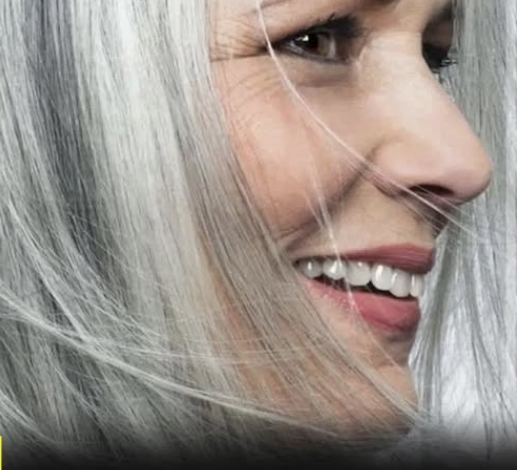
Why More People Are Letting Their Gray Hair Grow — And What It Really Says About Them
Letting gray hair grow naturally is no longer just a style choice. For a growing number of people, it’s a deeply personal decision rooted in psychology, identity, and a quiet rejection of long-standing social pressure.
For decades, gray hair was treated as something to hide. It symbolized aging, decline, and—especially for women—a perceived loss of relevance. Hair dye wasn’t simply cosmetic; it became a way to protect social standing in a culture obsessed with youth. Choosing to stop dyeing, then, is rarely accidental. It’s often the result of an internal shift.
Psychologists point out that hair is closely tied to identity. It frames how we’re seen and how we see ourselves. When someone decides to let their natural gray show, it often reflects a deeper reassessment of self-worth—moving away from external approval and toward self-acceptance.
Many people describe a period of anxiety before making the change. Fear of judgment. Worry about looking “older.” Concern about becoming invisible. These fears aren’t imagined—they’re learned. Pushing past them often coincides with emotional growth and a stronger sense of self-trust.
Letting gray hair grow can feel like a quiet declaration: I no longer need to disguise myself to be valued. Interestingly, many people who go gray don’t stop caring about their appearance. They often become more intentional about grooming and style. The difference is motivation. The focus shifts from hiding to expressing.
This decision carries particular weight for women, who have historically been judged more harshly for visible aging. While gray hair in men is often praised as “distinguished,” women have been expected to preserve youth far longer. Embracing gray can restore a sense of agency—reclaiming control over one’s image and body.
Continue reading on the next page…