
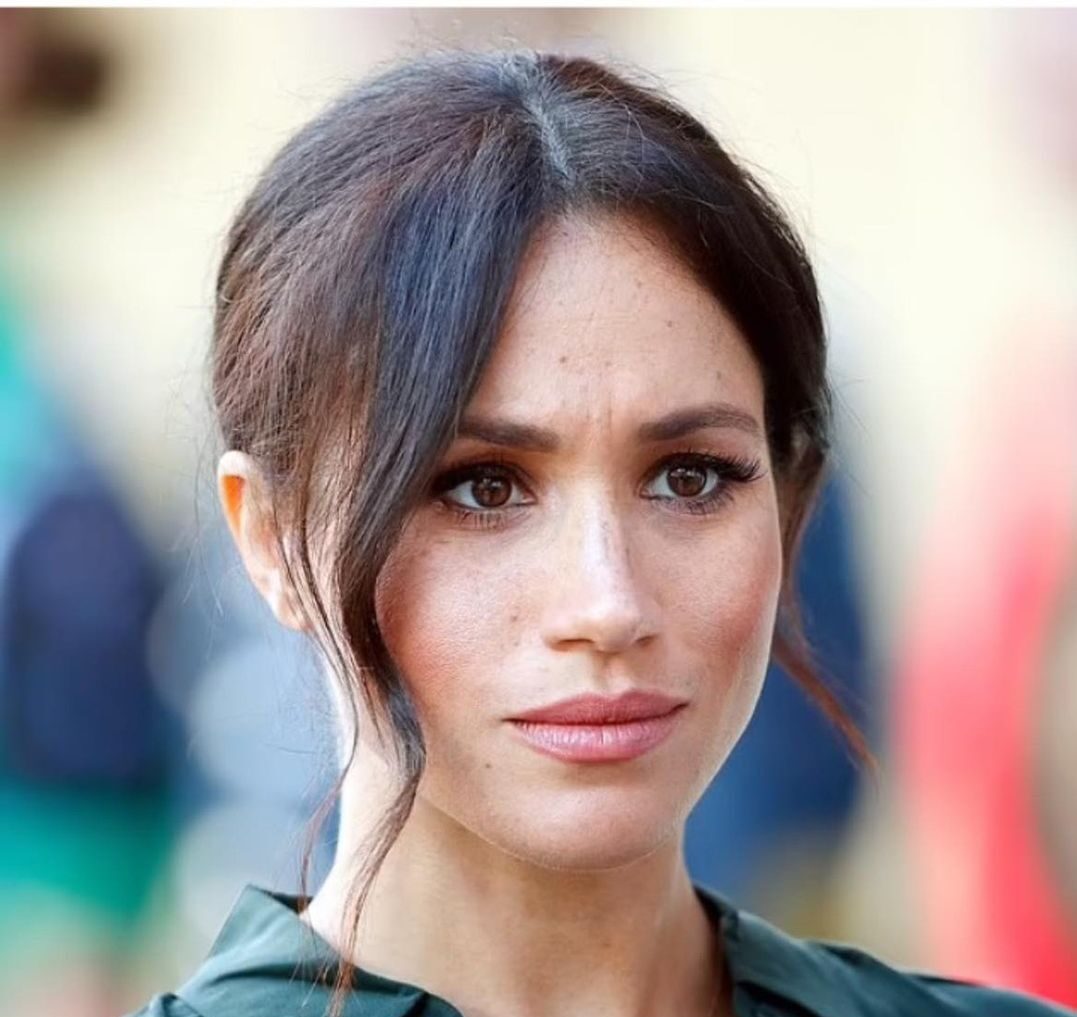
Since stepping back from royal life in 2020, Meghan Markle and Prince Harry have stayed in the spotlight—but not always for reasons they control. Their exit from the British monarchy was framed as a bid for independence, yet years later, reports of internal tension, staff complaints, and workplace drama continue to follow them. A new report has reignited debates about Meghan’s management style, painting a stark picture of what some describe as a high-pressure environment behind the scenes.
According to insiders cited by The Hollywood Reporter, Meghan has earned the nickname “Duchess Difficult,” a label that has resurfaced with renewed intensity. Former staff allege her leadership can be extreme, leaving seasoned professionals on edge—or in tears. One source even described her as a “dictator in high heels,” a phrase that has quickly gone viral online.
The report details a pattern of demanding behavior, constant changes in direction, and high expectations that some staff struggled to meet. Employees reportedly felt they were always walking on eggshells, never certain when they might face criticism. Prince Harry, while widely described as personable, has also been characterized as an “enabler,” someone who rarely intervened when tensions rose, leaving staff to navigate the pressure largely on their own.
Staff turnover has been a recurring theme in the couple’s post-royal life. From advisors to communications directors, numerous team members have exited after short tenures. Meghan’s top adviser and private secretary left in 2021, and more recently, their chief of staff resigned after just three months. Critics argue the pattern signals systemic issues rather than isolated disagreements.
These claims are not limited to their California years. Reports of difficult behavior trace back to Meghan’s early royal days. Following her 2018 marriage, palace staff reportedly raised complaints, prompting an internal investigation—a rare and unusual step. While the findings were never released, the existence of the inquiry alone added fuel to public scrutiny.
A leaked email from a former communications secretary further intensified the narrative, suggesting Meghan frequently singled out staff for criticism. The message painted a picture of a work environment where intimidation, rather than collaboration, drove operations.
Meghan has consistently denied the allegations, calling them part of a “calculated smear campaign” aimed at undermining her credibility. Supporters argue she has been held to unfair standards, with assertive behavior mislabeled as “difficult,” a common challenge for women in leadership roles.
Yet critics note the sheer volume of complaints, consistent descriptions across multiple sources, and ongoing high turnover suggest there may be more than misunderstanding at play. Meghan’s Hollywood background, with a career built on ambition and professionalism, may have contributed to a leadership style that clashes with traditional expectations in hierarchical or diplomatic environments.
The timing of the latest reports, coinciding with Prince Harry’s 40th birthday celebrations, has only amplified public reaction. For a couple who have positioned mental health and compassionate leadership as core values, these allegations strike a particularly sensitive chord.
Whether “Duchess Difficult” is fair or exaggerated, the pattern of accusations has persisted across continents and years. As long as former staff continue to speak out and high turnover continues, the story of Harry and Meghan will remain a hot topic—not just about celebrity, but about leadership, perception, and the challenges of running an organization under intense public scrutiny.
What do you think: Are these reports a sign of leadership issues, or a product of public bias? Share your thoughts below.