
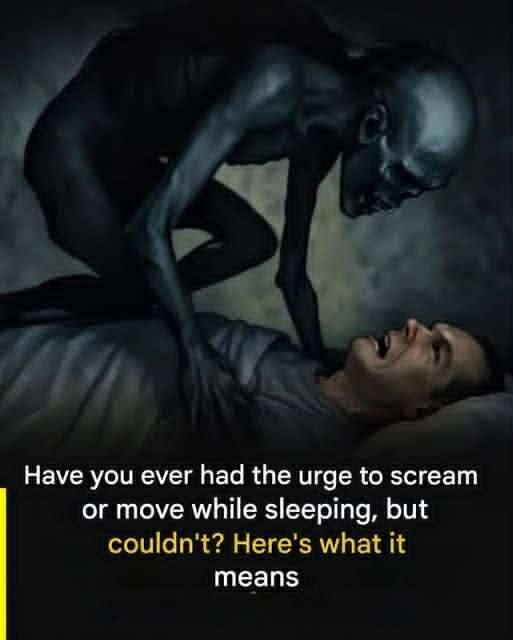
If you’ve ever awakened in the middle of the night, unable to move, speak, or call for help, you may have experienced sleep paralysis.
This phenomenon, although frightening, is a natural part of the sleep process and is far more common than many people realize.
For those who experience it, the feeling of being trapped inside your own body while fully conscious can be terrifying, especially when accompanied by vivid hallucinations or a sense of an otherworldly presence.
Despite its sometimes eerie nature, sleep paralysis is not dangerous. It is a temporary, harmless condition that has been documented for centuries, studied extensively by sleep researchers, and observed across cultures worldwide.
Understanding the mechanisms, causes, and ways to cope with sleep paralysis can help alleviate the fear and anxiety it often brings.
What is Sleep Paralysis?
Sleep paralysis is classified as a parasomnia, a category of sleep disorders that involve abnormal behaviors, perceptions, or movements during sleep transitions.
Continue reading next page…