
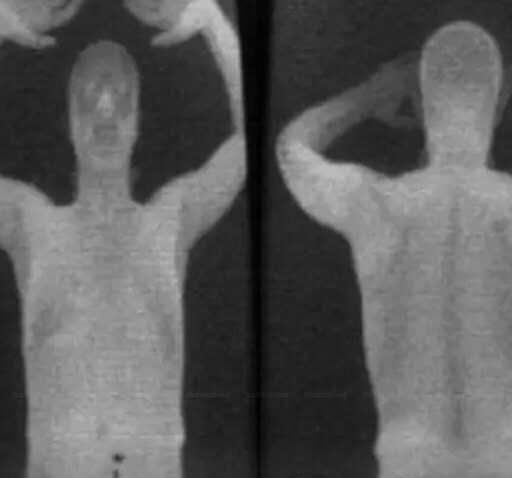
Airport body scanners were once called “virtual strip searches,” and for many travelers, that label wasn’t far off. The machines promised safety, but early versions sparked unease, outrage, and a heated debate over privacy.
In the early 2010s, stepping into a TSA scanner meant raising your arms, following strict instructions, and waiting for a machine that could reveal far more than most expected.
After the 2009 Christmas Day bombing attempt, the TSA fast-tracked advanced imaging, including backscatter X-ray scanners by Rapiscan. Designed to detect hidden threats, these devices quickly became controversial.
Backscatter scanners produced highly detailed images of passengers’ bodies. Although operators viewed them in separate rooms and images weren’t supposed to be saved, the level of exposure was alarming.
Privacy advocates argued that revealing body contours went too far, calling the process invasive—and the public agreed. Outrage spread online, with critics questioning whether the trade-off between privacy and security was worth it.
By 2013, backscatter scanners were retired after failing to meet updated privacy standards. Automated Target Recognition (ATR) software replaced detailed images with generic outlines, flagging potential threats without exposing unique body features.
Continue reading on the next page…