
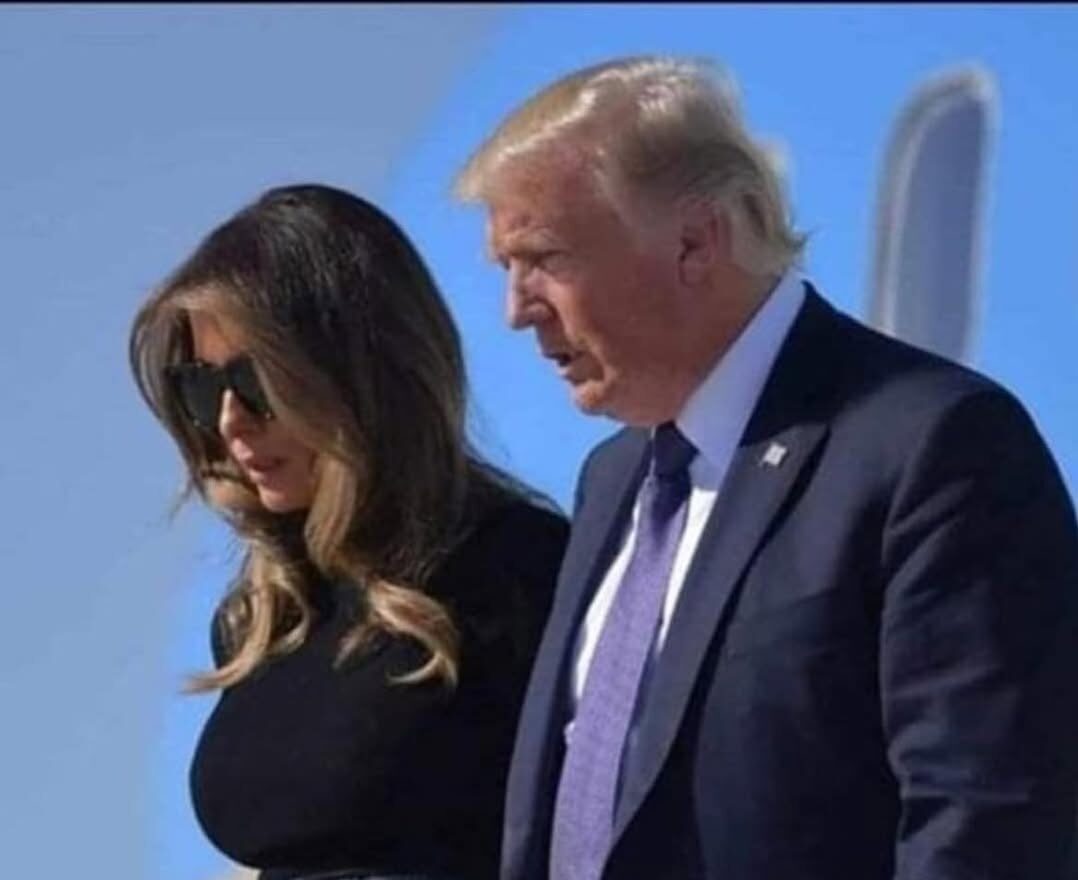
Why Questions About Presidential Health Have Become a Major Topic in 2026
In American politics, few subjects draw as much attention — or as much controversy — as the health of the sitting president. As 2026 advances, discussions about the physical and cognitive fitness of President Donald Trump have intensified, not because of a single event, but because voters, commentators, and experts are increasingly focused on how age and stress intersect with leadership capability.
With the president nearing 80, the usual political arguments have mixed with questions about stamina, public performance, and transparency. From Washington, D.C. to living rooms nationwide, conversations once limited to policy now include broader debates about how presidents age — and how much the public should know.
Why Presidential Health Matters
The U.S. Constitution provides clear rules for presidential succession, ensuring that the government continues operating smoothly if a leader becomes unable to serve. But beyond legal safeguards, the personal health of the nation’s leader has symbolic and practical importance. Citizens want confidence that their president is able to perform the demanding duties of the office — from managing domestic priorities to navigating international tensions.
Public Observations and Expert Perspectives
In early 2026, licensed health professionals, commentators, and medical observers weighed in on aspects of the president’s public appearances that some find concerning. Discussions have included changes in speech patterns, physical mobility, and on‑camera comportment, with experts noting that observers — both medical and lay — often differ on what is a normal sign of aging versus what warrants closer attention.
At the same time, the White House has repeatedly reinforced official medical assessments, citing cognitive and physical evaluations as evidence of fitness for duty. Statements from presidential physicians emphasize that regular exams, diagnostic imaging, and ongoing care are being conducted and that results show no disqualifying conditions.
Transparency and Presidential Health Reporting
Debate over public disclosure isn’t new. Presidential health has been an issue since the early 20th century, when leaders began undergoing routine medical exams. What has changed is the level of public scrutiny in the digital era: televised speeches, viral clips, and 24/7 news cycles mean that every gesture, pause, or stumble can become the subject of widespread discussion.
Advocates for more transparency argue that voters deserve clear, accessible medical information about elected leaders — especially those serving well into their senior years. Opponents counter that too much focus on age or isolated moments can lead to unfair conclusions, and that medical privacy still matters.
Age, Stress, and the Job of the Presidency
Being president is widely recognized as one of the most demanding roles in public life. Long hours, constant travel, high stakes decisions, and relentless media attention all take a toll. It’s no surprise that Americans pay attention to how a president appears on camera, how they speak at events, or how they handle back‑to‑back engagements.
Across political lines, many agree that leaders of any age benefit from clear communication about health — not hidden details, but honest reports that reassure the public without breaching personal dignity.
The Road Ahead and the Constitutional Plan
No matter how the debate unfolds, the U.S. has robust systems in place to manage leadership transitions. The 25th Amendment, established succession orders, and the role of the vice president ensure continuity of government if ever needed. At this point in 2026, Vice President JD Vance stands ready to assume responsibility if circumstances ever required it.
As voters prepare for the midterm elections and national discourse broadens, the question of presidential health remains intertwined with wider themes: trust in leadership, transparency in governance, and how Americans interpret public performance in an age of constant visibility.
Final Thought
Discussing health and leadership isn’t about stigma — it’s about informed citizenship. In a democracy, questions are not just expected; they’re essential. The public deserves open, accurate information that respects both individual privacy and collective need.
What do you think about the role of transparency in reporting leaders’ health? Share your thoughts in the comments and join the conversation.