
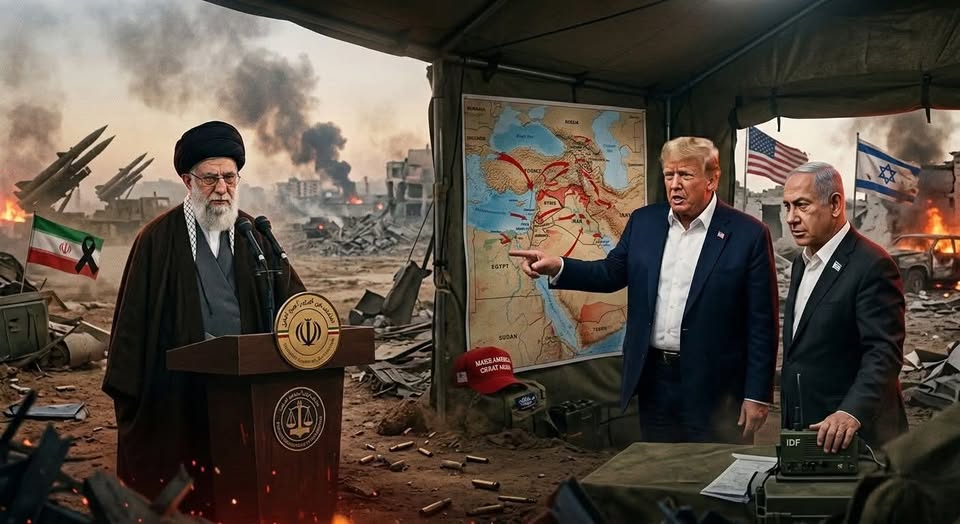
Middle East Tensions in 2026: Beyond the Headlines
The Middle East remains a hotspot of global attention, and 2026 is proving no different. The events of 2025 continue to shape the geopolitical landscape, influencing relationships between Israel, Iran, the United States, and other major players. With rapid news cycles and viral social media posts, it’s easy to feel like crisis looms at every headline—but the reality is far more nuanced.
Understanding the 2025 Security Wave
Last year, Israel faced unprecedented security challenges. Advanced drones, cyberattacks, and new military technologies created a battlefield that went far beyond traditional borders. These weren’t isolated incidents—they reflected a broader shift in regional power dynamics. Modern conflicts now unfold in airspace, cyberspace, and even social media, requiring constant vigilance from both governments and civilians alike.
Amid this pressure, reports of potential strikes—sometimes sensationalized as “attacks tonight on specific U.S. states”—stoked fear. While alarming, these claims often serve more as psychological tactics than immediate threats. A transcontinental strike is far more complex than social media alerts suggest, and much of the digital panic is part of a sophisticated information strategy to destabilize public confidence.
Brinkmanship, Strategy, and Regional Power
The interactions between the United States and Iran are a high-stakes dance of deterrence. Both nations use strategic posturing to gain leverage without triggering full-scale conflict. For the U.S., maintaining a presence in the Middle East protects energy markets and allies like Israel. For Iran, regional influence is critical to national security.
Meanwhile, Israel’s “under attack” headlines often refer to proxy conflicts, cyber skirmishes, and intelligence operations rather than large-scale invasions. Understanding this context highlights the difference between real danger and digital alarmism.
Misinformation in the Digital Age
In 2025 and 2026, misinformation has become a central factor. Sensational headlines about imminent strikes are often designed to capture attention, generate clicks, and provoke fear. Yet closer examination reveals that most intelligence points to heightened alert levels and cautious diplomacy, not immediate warfare.
Continue reading on the next page…