
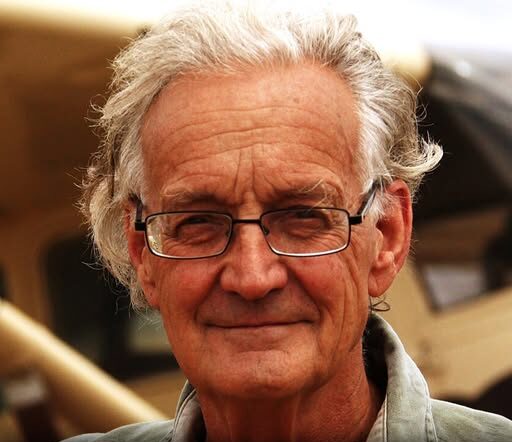
Iain Douglas-Hamilton: The Man Who Made Elephants Impossible to Ignore
While the world mourns celebrities and leaders, few stop for those who quietly change how we relate to the natural world. This week, the conservation community lost one of its giants. Iain Douglas-Hamilton, who dedicated his life to understanding and protecting elephants, passed away at 83 in Nairobi, leaving a legacy that will echo through Africa and beyond.
Douglas-Hamilton wasn’t just a zoologist. He was a pioneer, a field scientist, and a translator between species. Before him, elephants were often symbols or curiosities. After him, they became beings with memory, intelligence, grief, and social bonds that demanded respect. His work forced humans to confront a harsh truth: we weren’t just threatening elephants—we were misunderstanding them.
Born in Dorset, England, in 1942, Douglas-Hamilton could have lived a comfortable life. Instead, he chose dusty plains, early mornings tracking herds, and decades of danger to study elephants up close. At Lake Manyara, he learned to identify each animal by tusks, scars, and personality—a revolutionary approach that laid the foundation for modern elephant behavioral science.
Continue reading on the next page…