
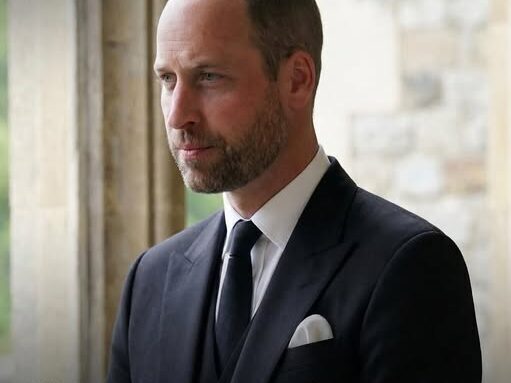
By avoiding inflammatory remarks and focusing on values rather than personalities, the Prince of Wales is shaping expectations. His public posture emphasizes that personal behavior carries consequences and that the institution cannot be insulated from the actions of individuals. This measured stance aims to protect the long-term stability of the monarchy in a skeptical age.
Alignment Between King and Heir
This evolving strategy is reinforced by King Charles III, who has also emphasized that legal matters belong with the proper authorities. The alignment between reigning monarch and heir presents a unified front: the royal household will cooperate with lawful processes and avoid interfering in investigations. This cooperation signals that accountability, not secrecy, is now central to royal leadership.
Together, this approach represents a quiet but meaningful modernization. It reframes the monarchy not as an untouchable symbol, but as an institution that must meet contemporary standards of integrity to remain relevant.
What This Means for the Monarchy’s Future
The lesson of 2026 is simple: credibility is built through consistency. Prince William’s leadership style suggests a future monarchy that values transparency over tradition-for-tradition’s-sake. Rather than preserving the past at all costs, he appears focused on building a stable foundation for the next generation—one that can withstand scrutiny without retreating into silence.
By setting clearer boundaries and reinforcing accountability, the Prince of Wales is positioning himself as a steady guardian of the crown’s reputation. In an era when public trust is fragile, this recalibrated approach may prove essential to the monarchy’s long-term survival.
What do you think—should modern institutions lean into transparency, even when it’s uncomfortable? Share your thoughts below and join the conversation.