
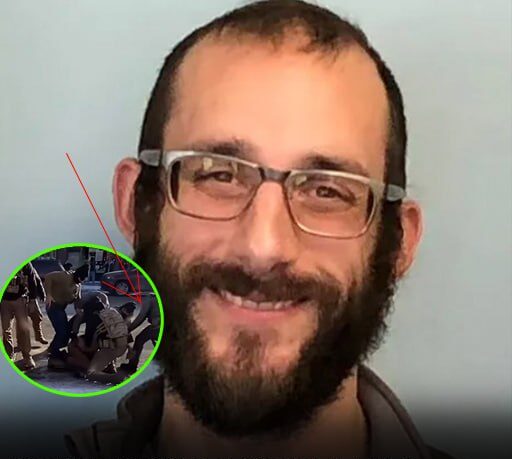
However, videos circulating online present a more complex picture. In multiple clips, Pretti appears to be holding a phone rather than a weapon as officers surround him. Witnesses say he was attempting to comply and had been trying to assist another protester when the confrontation escalated. While he was legally carrying a firearm in a holster, there is no clear visual evidence showing him drawing or pointing it.
Adding to the debate, a forensic psychologist and body language analyst known online as Dr. G Explains reviewed the footage and shared his assessment publicly. According to his analysis, one ICE agent appeared to escalate the situation rapidly rather than de-escalate it, repeatedly using force as Pretti was restrained.
Dr. G also focused attention on an agent wearing a gray jacket. In the footage, this agent appears to remove a firearm from Pretti’s waistband while Pretti is already on his knees. Moments later, gunfire erupts—but the agent who removed the weapon turns away and runs, without visibly signaling to others that the firearm had been secured.
The analyst questioned this behavior, noting that it would be unusual for an officer to turn their back if they believed a suspect was still armed and dangerous. He also pointed out that there was no clear indication the agent alerted fellow officers that Pretti had been disarmed, a detail that could be critical in understanding how the situation escalated.
While officials maintain that the shooting was justified, the body language review has fueled renewed calls for an independent and transparent investigation. Civil rights advocates and community members argue that clarity is essential—not only for accountability, but for restoring public trust.
As discussions continue, the case highlights the growing role of video evidence and expert analysis in shaping public understanding of high-stakes law enforcement encounters. The final conclusions may rest with investigators, but the questions raised are unlikely to fade quickly.