
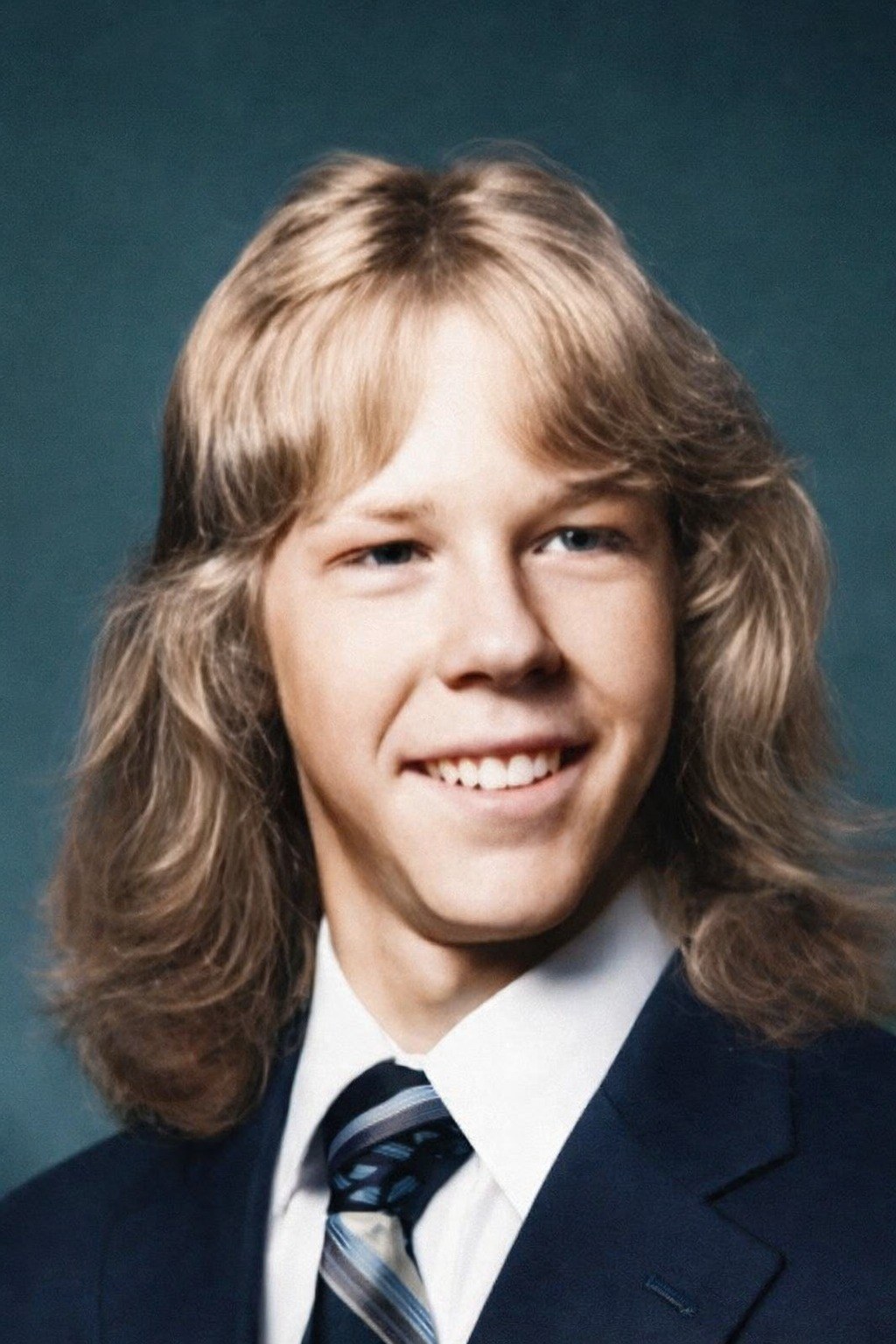
James Hetfield’s life story is often mistaken for a tale of rock stardom and excess. In reality, it’s something far more enduring: a story of survival, self-confrontation, and the lifelong work of turning pain into purpose. Long before he became the voice and force behind Metallica, Hetfield was a quiet, isolated kid growing up in Downey, California—learning early what it meant to feel separate from the world around him.
Raised in a strict Christian Science household, medical care and even basic health education were off-limits. While his classmates lived ordinary childhoods, Hetfield existed on the margins, absorbing a sense of distance that would later shape both his music and his personality. That isolation hardened into grief when his father left, followed by the devastating loss of his mother to cancer when James was just sixteen. Her death, untreated due to religious beliefs, left a wound that never truly closed.
Music became his refuge. The guitar wasn’t an outlet—it was survival. While other teenagers were finding themselves socially, Hetfield disappeared into sound, channeling rage, abandonment, and confusion into sharp riffs and aggressive rhythms. He wasn’t writing songs for fun; he was building armor.
That armor found a shared purpose when he connected with drummer Lars Ulrich in the early 1980s. Together, they rejected the glossy excess of mainstream metal and ignited what would become thrash metal—faster, heavier, and emotionally raw. As Metallica’s primary songwriter and rhythm guitarist, Hetfield defined the genre’s pulse with his relentless down-picking and uncompromising intensity.
Continue reading on the next page…