
In mid-December, the U.S. Department of Justice released a massive new batch of documents tied to the long-running investigation into financier Jeffrey Epstein and his associate, Ghislaine Maxwell. The disclosure, which took place on Friday, December 19, included thousands of records and hundreds of photographs, immediately drawing widespread public and media attention.
The release was carried out under the Epstein Files Transparency Act, a federal law designed to increase public access to government records related to the case. The legislation followed years of criticism that key information surrounding Epstein remained inaccessible, even after his 2019 arrest and death in federal custody, as well as Maxwell’s later conviction.
Why the Documents Were Made Public
According to the Department of Justice, the newly released materials represent only a fraction of a much larger archive believed to contain hundreds of thousands of pages. These include investigative notes, correspondence, photographs, and early victim statements. Many records remain heavily redacted to protect victim identities and comply with legal and privacy requirements.
Officials emphasized that the release is part of a transparency effort, not a presentation of new investigative conclusions.
Photos Featuring Bill Clinton Draw Attention
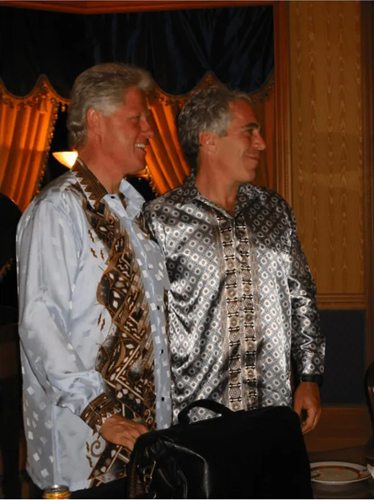
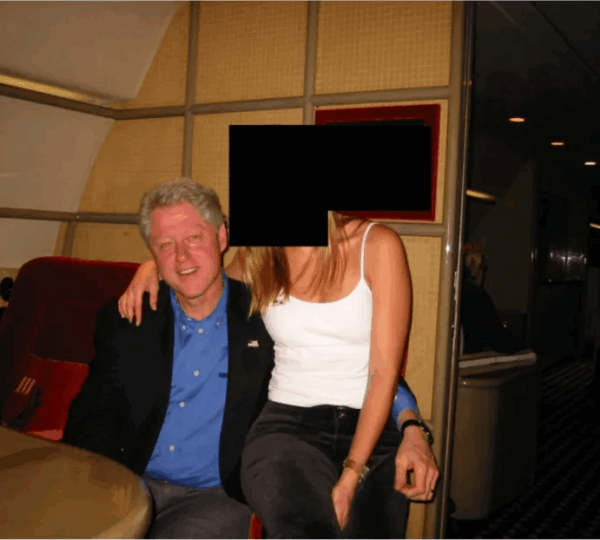
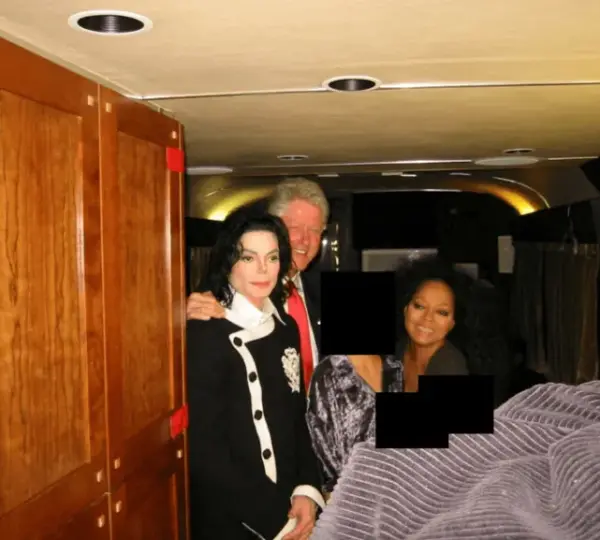
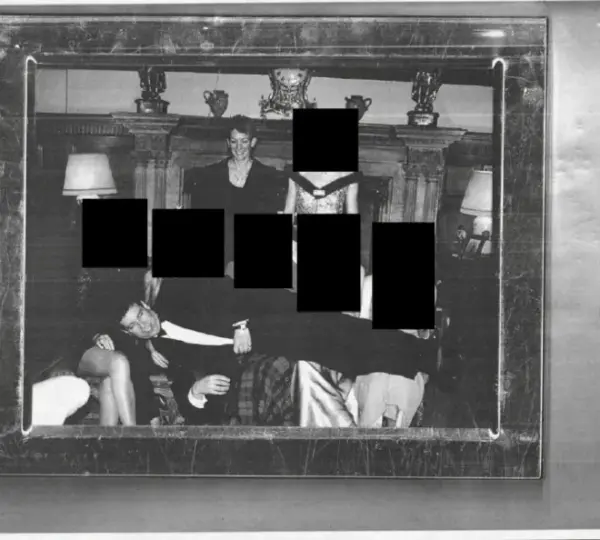
One of the most talked-about aspects of the disclosure involves photographs showing former President Bill Clinton in social settings with Epstein and Maxwell. Several images circulating online appear to show Clinton at gatherings that also included other well-known figures.
Among the photos gaining the most attention are images depicting Clinton near a swimming pool with Epstein and Maxwell, seated at a dinner with Epstein and musician Mick Jagger, and appearing in what looks like an indoor pool or hot-tub setting. Some faces in the images are blurred or redacted.
Public discussion intensified after White House Press Secretary Karoline Leavitt shared one of the images on X (formerly Twitter), adding a brief caption expressing surprise. The post fueled renewed online debate and political commentary.
Clinton’s Team Pushes Back
In response, Clinton’s spokesperson Angel Ureña issued a statement rejecting any implication of wrongdoing. The statement accused political opponents of using the images to distract from unresolved issues in the broader Epstein case.
According to the spokesperson, Clinton had no knowledge of Epstein’s criminal activities and ended contact years before those activities became public. The statement also stressed that the photographs are decades old and taken out of context, noting that appearing in social photos does not equate to evidence of criminal behavior.
Clinton has not been charged with any crime related to Epstein, and no court has found him guilty of wrongdoing in connection with the case.
Political Timing and Online Speculation
The release comes amid a highly polarized political climate, leading to sharply divided reactions. Some observers have questioned why certain public figures appear more prominently in the released materials than others, while supporters of the law argue that transparency should apply regardless of political consequences.
Notably, former President Donald Trump does not appear in the newly released photos, despite acknowledging past social contact with Epstein. Legal experts caution, however, that inclusion—or exclusion—from archived materials does not indicate guilt or innocence.
What the Documents Do — and Don’t — Prove
Legal analysts and journalists continue to stress a key point: being pictured with Epstein does not automatically imply criminal involvement. Epstein operated within elite social circles for years, interacting with politicians, business leaders, celebrities, and academics.
The Department of Justice has not announced any new criminal charges as a result of this release. The materials are historical records, many of them incomplete or redacted, and were not presented as evidence of wrongdoing.
The Bigger Picture
The Epstein case remains one of the most controversial scandals in modern U.S. history, raising lasting questions about power, accountability, and transparency. Each document release tends to reignite public debate, even when no new legal findings emerge.
For now, the December disclosure underscores both the public demand for openness and the challenges of interpreting decades-old records in the age of viral information.

Final Takeaway
The DOJ’s December 19 release of Epstein-related files is real, verified, and required by law. The photographs featuring Bill Clinton are authentic, as is his team’s public response. However, the images do not constitute proof of criminal conduct, and no new charges have been filed against Clinton or others shown in the records.
As more documents are reviewed and potentially released, discussion around the Epstein case is likely to continue—highlighting the ongoing tension between transparency, context, and public interpretation.