
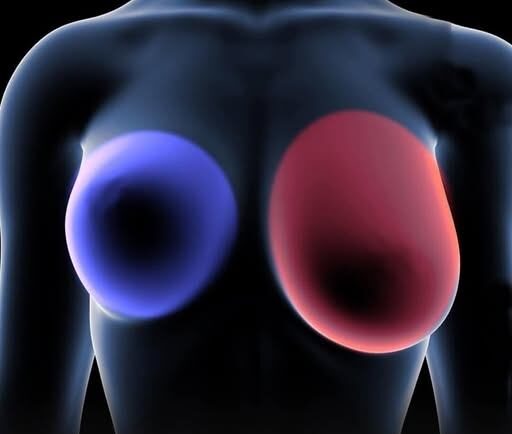
- Changes in the Breasts
Be aware of:
Persistent pain in one area
Thickening or lumps
Changes in size or shape
Unexplained nipple discharge
Skin changes, like redness, dimpling, or an orange-peel texture
Many of these changes are harmless, linked to cysts or hormonal shifts—but only a doctor can confirm the cause.
- The Power of Early Evaluation
Exams, ultrasounds, mammograms, and biopsies help determine whether changes are benign or need treatment. Early detection reduces anxiety and allows interventions when conditions are most manageable.
- Monthly Self-Exams
Regular self-checks help you become familiar with your body, making it easier to spot subtle changes. The best time is a few days after menstruation, when breasts are less swollen. For those who don’t menstruate, pick a consistent day each month.
- Routine Mammograms
Starting at age 40, mammograms are a key part of preventive care. Frequency may vary based on family history, genetics, or prior breast issues. Mammograms can detect abnormalities before they can be felt, giving you a critical advantage.
- Lifestyle Supports Breast Health
Breast health isn’t just about screenings. A balanced diet, regular exercise, limiting alcohol, and managing stress all support hormonal balance and immune function. These choices reduce risks not only for breast issues but for many chronic conditions.
- Don’t Wait to Act
No symptom is too small to mention. Lumps, swelling, pain, or unusual discharge all warrant medical attention. Paying attention to your body and seeking timely care lays the foundation for prevention and long-term health.
Early action saves lives. Awareness, routine checks, and healthy habits empower you to take control of your health.
Notice something unusual? Don’t wait—schedule a check-up today and encourage loved ones to do the same. Share this article to spread awareness!