
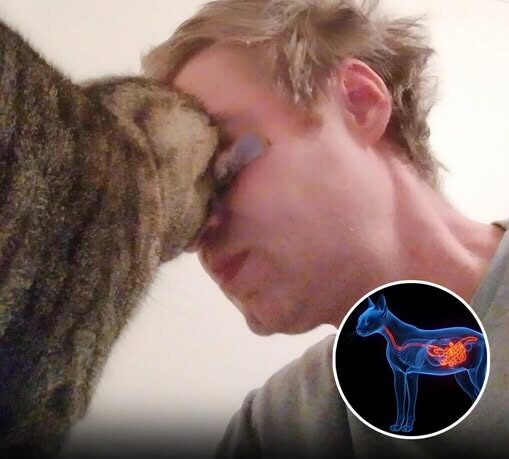
How Headbutting Builds Security
Headbutting also helps cats feel secure in their environment. After a stressful event or loud noise, a cat may nudge your hand or lap to reassure itself. This behavior strengthens the bond between you while signaling that the surroundings are safe.
Combined with purring, slow blinking, kneading, or body leaning, headbutting is part of a broader system of feline affection and social communication.
Not Every Cat Shows Affection the Same Way
Every cat has a unique personality. Some are highly social and headbutt frequently; others prefer quiet gestures like sitting nearby or following you around. A cat that rarely headbutts isn’t less attached—it may simply express love in subtler ways. Observing your cat’s overall behavior helps interpret its emotional state.
Learning From the Wild
Domestic cats share instincts with their wild relatives. Lions, for example, greet pride members with head rubbing to reinforce bonds. Your cat’s headbutt is a miniature version of the same social ritual—a signal of trust and inclusion.
Encouraging Affection
You can nurture this affectionate behavior by creating a safe, comfortable environment. Consistent routines, interactive play, gentle grooming, and respectful handling help your cat feel confident and secure, encouraging more headbutts and positive interactions.
A Tiny Gesture With Big Meaning
Next time your cat bumps its head against you, remember: it’s more than a cute quirk. It’s a moment of trust, connection, and love. Through bunting, your cat is saying: “You are part of my world, and I trust you completely.”
Cherish these small gestures—they’re your cat’s way of showing one of the sincerest forms of affection. Share this insight with fellow cat lovers and celebrate the unique bonds you share!