
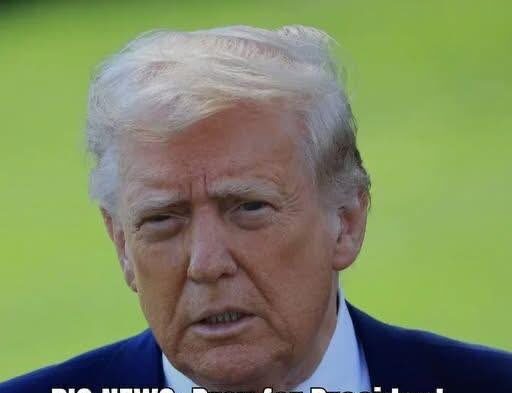
Domestic threats are unpredictable and volatile. Years of public ridicule, political dehumanization, and normalized hostile rhetoric have created conditions where extreme behavior can feel justified to a small, dangerous minority. History shows that lone-wolf attacks rarely appear out of nowhere—they’re shaped by messaging, perceived moral license, and belief in a larger cause. For security professionals, the concern isn’t widespread violence but that it only takes one individual to interpret the climate as permission. Legal battles, protests, and media escalation compound the risk.
Perhaps most worrying is the risk of politicized protection. The Secret Service is meant to be neutral, guided solely by intelligence and threat analysis. Bongino warns that any erosion of that principle—whether through constrained resources, political pressure, or decisions driven by optics—can be disastrous. Historical protective failures, from Lincoln to Kennedy, show that ignoring or minimizing warnings can have irreversible consequences.
Bongino stresses: protection is not endorsement. The safety of current and former leaders is a matter of national stability. When multiple threat vectors overlap—foreign interests, domestic radicalization, institutional strain—security decisions must prioritize objective analysis, redundancy, and vigilance over public perception or partisan sentiment.
The takeaway is clear: in executive protection, seriousness is non-negotiable. Threats must be treated as real, measurable, and urgent. Ignoring professional warnings because of political biases risks not just one life—it risks the integrity of institutions charged with preserving continuity of government.
In a world where threats converge and stakes are irreversible, ignoring security expertise is a risk we cannot afford.
What do you think about Bongino’s warning? Join the conversation below—how should institutions balance politics and protection?