
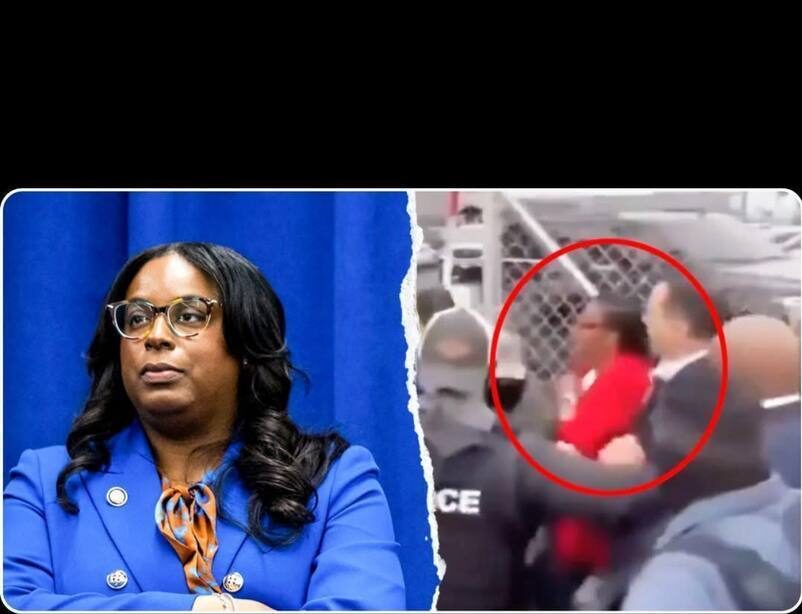
The incident has ignited a broader debate about the tension between congressional oversight and executive enforcement. Supporters argue that criminalizing oversight risks chilling lawmakers from holding federal agencies accountable, particularly in sensitive facilities like ICE detention centers. Critics counter that oversight rights do not extend to obstructing arrests or assaulting officers, emphasizing that accountability under the law applies to everyone, elected or not.
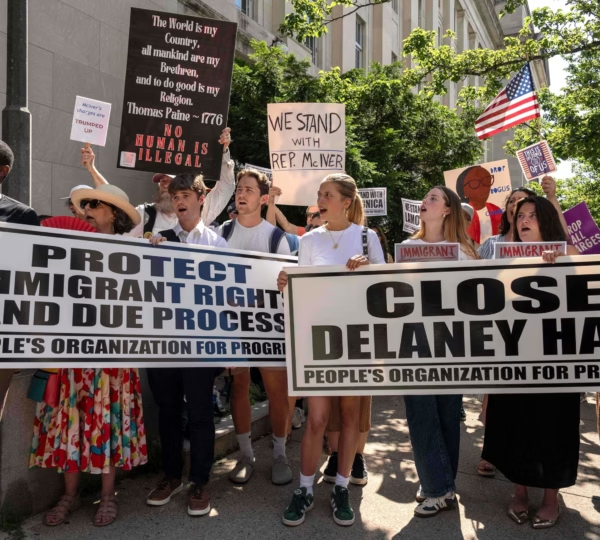
Political reactions have been swift and polarized. Democratic leaders warn that the charges could intimidate elected officials performing their duties, while critics stress that no one should claim immunity for actions that cross legal lines. The case also intersects with ongoing concerns about detention center management, local-federal tensions, and broader immigration enforcement policy.
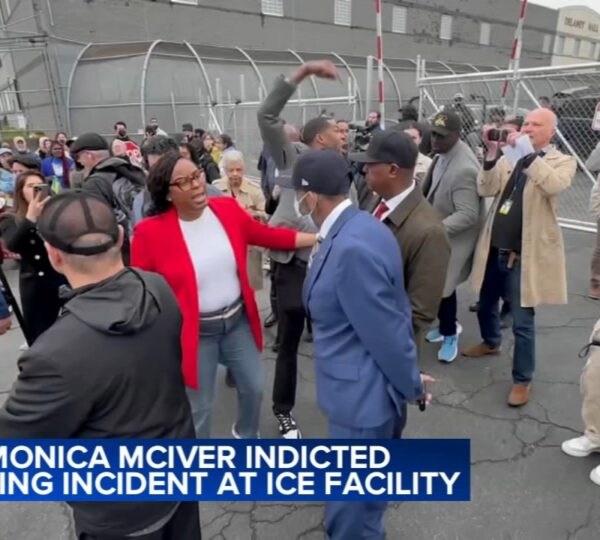
The McIver case is shaping into a test of constitutional boundaries, prosecutorial discretion, and the balance between oversight and lawful conduct. Its outcome could redefine how assertively lawmakers can engage with federal agencies in contentious situations, establishing precedent for decades to come. Beyond the courtroom, it underscores how quickly political narratives form, influence public opinion, and complicate justice in today’s hypercharged media environment.
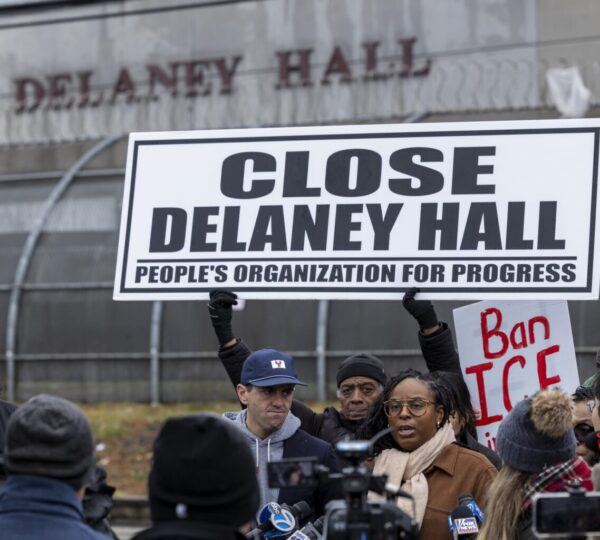
As McIver’s trial approaches, the nation watches not just a legal proceeding, but a clash over power, accountability, and the rules that govern elected officials in America.
Stay informed on this evolving case and see how it could shape the future of congressional oversight and federal accountability.