
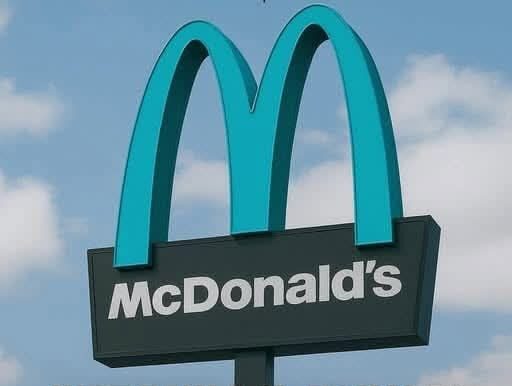
If you’re driving through Sedona, Arizona—where towering red rock formations dominate the horizon—you might do a double take when you spot the McDonald’s. At first glance, it looks familiar. Then you notice what’s different.
The arches aren’t gold.
They’re turquoise.
It’s the only McDonald’s in the world like it—and the reason has nothing to do with marketing and everything to do with protecting a place.
A Town That Refuses to Blend In
Sedona isn’t built like most cities, and that’s intentional. Surrounded by dramatic sandstone cliffs and known for its natural beauty and spiritual atmosphere, the town has long prioritized harmony with the landscape. Strict building guidelines ensure that nothing—no matter how commercial—overpowers the environment.
So when McDonald’s planned to open a location there in the early 1990s, it ran into unexpected resistance. Not protests. Not outrage. Just firm boundaries.
Sedona wasn’t willing to sacrifice its visual identity for a global brand.
Why Gold Wasn’t Welcome
The problem came down to color. McDonald’s iconic golden arches are designed to stand out anywhere—but in Sedona, that was exactly the issue. City planners argued that bright yellow signage would clash harshly with the area’s muted desert tones and rust-colored cliffs.
Local regulations required businesses to use earth-friendly designs and colors that blended into the surroundings. A glowing yellow “M” was simply not an option.
Continue reading on the next page…