
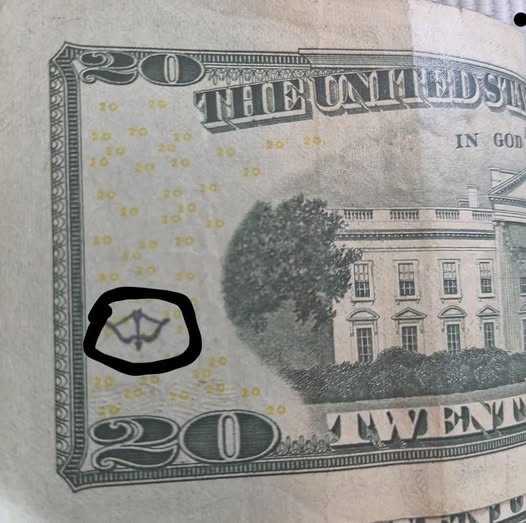
Chop marks also streamline commerce. Bills bearing multiple stamps have been verified several times, reducing the need for repeated checks in busy markets. Traders carefully place marks in white spaces or decorative borders to avoid obscuring serial numbers or portraits, ensuring the bill remains valid. The symbols vary widely—lucky Chinese characters, animals like dolphins or eagles, alphanumeric codes—each a unique signature tied to a specific trader or exchange house.
For collectors, chop-marked bills carry more than monetary value—they are passports of global history. Each mark represents a journey, a human connection, a moment of trust between people separated by language and thousands of miles. A single bill could travel from New York to Singapore, then Jakarta, before returning to your wallet, carrying the fingerprints of countless transactions along the way.
Legally, chop marks don’t void a bill. While U.S. law prohibits mutilating currency with intent to render it unfit, chop marks are generally considered incidental and are accepted as legal tender. Eventually, the Federal Reserve may retire heavily stamped bills, but until then, these notes continue to circulate, quietly narrating their international adventures.
In a world moving toward digital transactions and cryptocurrencies, chop marks are a tangible reminder of the human element in money. They are physical endorsements of trust, proof that commerce is built not just on numbers, but on relationships and verification. The next time you spot a mysterious bow or a tiny stamped character on a dollar, remember: you’re holding a relic of global trade, a modern Silk Road journey condensed into a single bill.
Next time you see a chop-marked bill, take a closer look! Who knows what journey it’s been on? Share your stories or discoveries with us below—every dollar has a tale.