
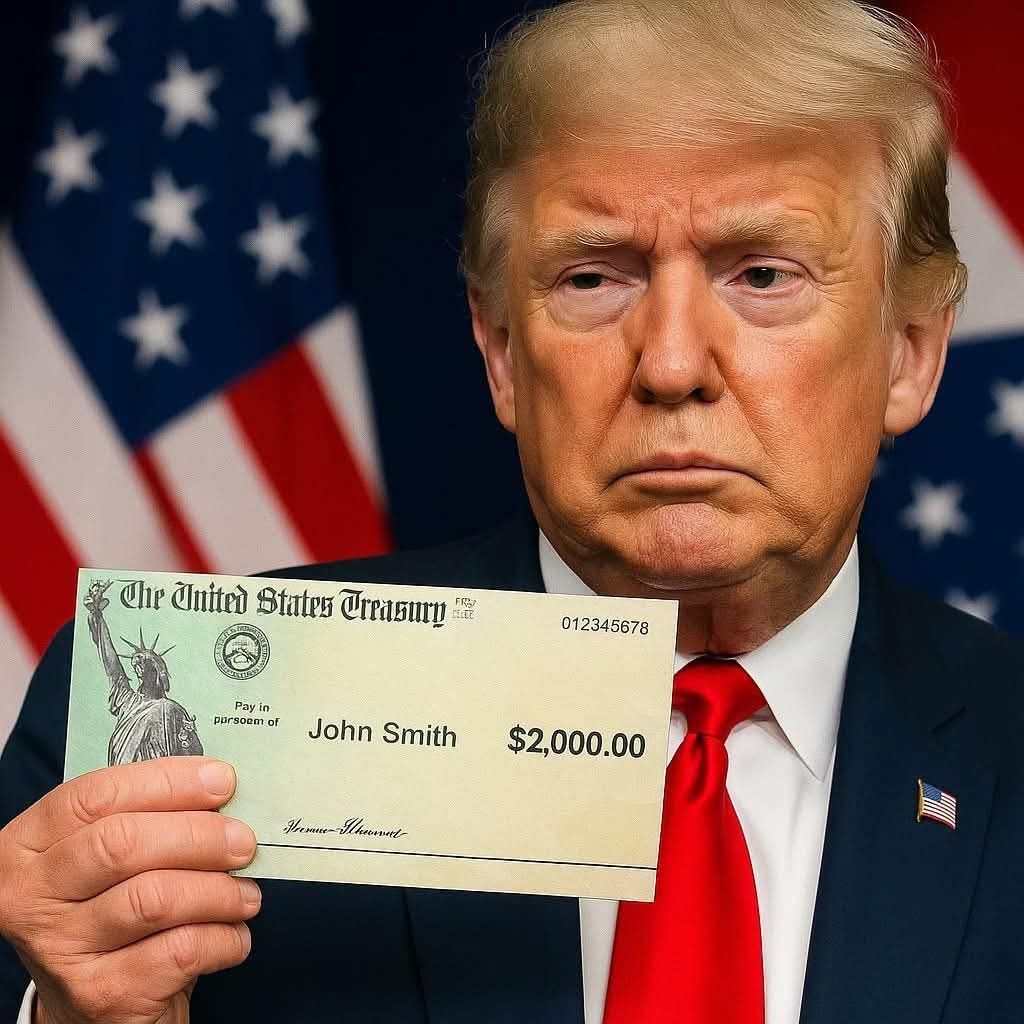
Income taxes currently provide a large share of federal revenue. Replacing them with tariffs alone would require substantial changes to how the economy operates. Higher tariffs could increase revenue, but they could also raise consumer prices and prompt responses from other countries. These possibilities are part of what economists and analysts are weighing as they examine the idea.
While the long-term feasibility remains uncertain, the proposal resonates with many people who feel overwhelmed by the complexity of the tax system. The idea of replacing certain taxes with payments funded by outside sources is appealing to those who feel financially strained. Others remain cautious, concerned about the potential for higher costs on goods, unpredictable revenue streams, or disruptions to federal programs currently funded through taxes.
Many questions remain unanswered. It is unclear whether such a dividend would be issued yearly, monthly, or only under certain conditions. There is no confirmed eligibility system, income threshold, or distribution method. It is also unknown how the government would maintain stability in payments if tariff revenue fluctuated. Large federal programs that rely heavily on tax funds would require new budgeting solutions if income taxes were altered or reduced on a large scale.
Because so many details are still unknown, the proposal exists mainly as an outline. Even so, it has already generated extensive debate. To some, it represents an innovative approach to national revenue. To others, it seems like a plan that faces significant logistical and economic challenges.
For now, it remains an idea under discussion, not an enacted policy. Whether it ever evolves into a detailed plan will depend on future legislative processes, economic analysis, and the broader national conversation. What is clear is that it has brought renewed attention to how the United States collects money, how it spends it, and how different approaches could affect families, businesses, and the wider economy.
In the end, the proposal raises important questions about the future of economic policy and how the government might balance the interests of taxpayers, consumers, and trade relationships. Whether or not the plan moves forward, the conversation it started highlights how deeply financial issues influence public debate—and how strongly people react when new ideas about national revenue and household support enter the spotlight.