
This revelation fits into a larger pattern of Field reclaiming her narrative. In her 2018 memoir, In Pieces, she recounted her five-year relationship with Reynolds. What the public saw as glamour and excitement, she described as claustrophobic and emotionally taxing. Reynolds, she explained, was a man haunted by insecurities and an ego that demanded centrality in her life. “He was just not good for me in any way,” she told Variety, framing the relationship as a lesson in incompatibility rather than condemnation.
Field observed Reynolds’ later attempts to recast history, painting her as the “one who got away.” She, however, saw through it. He hadn’t missed her specifically; he missed the feeling of having something he couldn’t control. She spoke of him with the detached compassion of someone who had done decades of therapy, self-reflection, and hard-won life work.
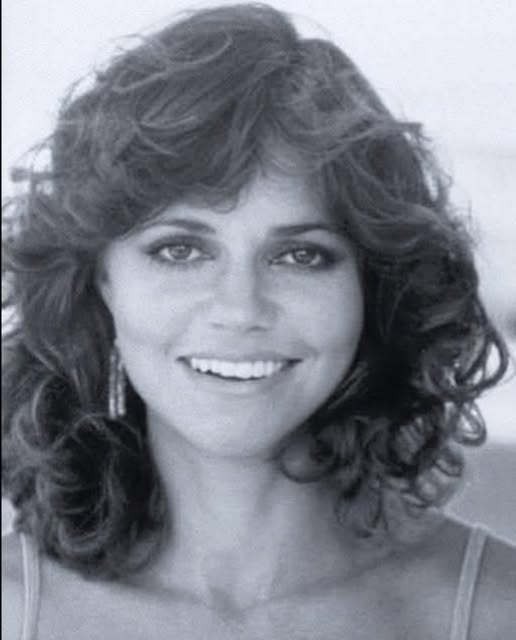
Today, Sally Field at 78 is a masterclass in aging with agency. She hasn’t faded into the background or relied on grandmotherly roles; she has sharpened. Her wide, infectious grin—the one that captivated audiences in Gidget and The Flying Nun—remains, now backed by two Academy Awards and a lifetime of standing her ground. She represents women who fought to be taken seriously as artists, ultimately demanding recognition for performances in Norma Rae, Places in the Heart, and Lincoln.
Field’s appeal today lies in her refusal to smooth her edges. Whether she discusses anxiety, family complexities, or the challenges of being a woman in a male-dominated industry, she does so with vulnerability that feels revolutionary. She is the mother who broke hearts in Steel Magnolias and the icon who once shouted, “You like me, right now, you like me!” at the Oscars—a moment she now reflects on with humor and a deep understanding of the human need for validation.
What makes her truly magnetic is that she is finally, comfortably, “in pieces” that she has rebuilt on her own terms. The shadows of co-stars like Burt Reynolds no longer define her value or her history. She has become the ultimate leading lady of her own life. When she appears on talk shows today, it’s not to promote a product—it’s to share lived experience. Her stories are not mere entertainment; they are dispatches from someone who has survived Hollywood and emerged unburdened.
Sally Field’s journey, from teen star to 78-year-old truth-teller, is a reminder that authenticity is the most magnetic quality anyone can possess. She glows not because of a lens or a camera but because she is unburdened by pretense. She has the grace of someone who knows exactly who she is—drooling co-stars and all. In an industry built on illusion, she remains proof that enduring stars are those unafraid to tell the truth.