
The Rise, Fall, and Comeback
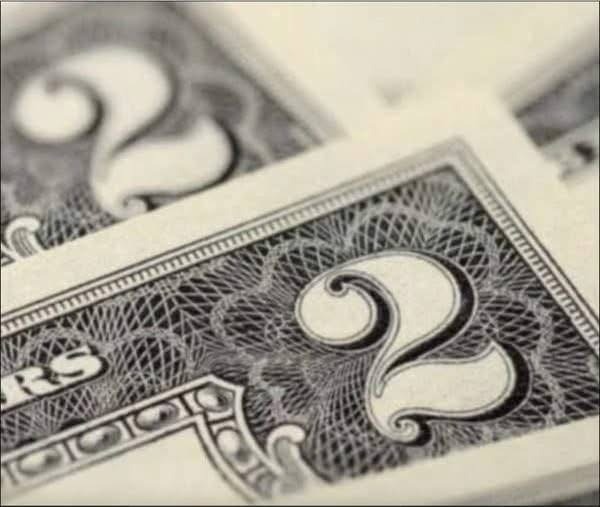
By the early 1900s, the $2 bill was so unpopular that some traded for less than face value. Collectors, however, began to notice its uniqueness. Then came 1976 — America’s bicentennial year. The U.S. Treasury decided to revive the bill with a patriotic redesign showing the signing of the Declaration of Independence. But even that didn’t fully bring it back into circulation. Many Americans thought the new bills were special editions or even discontinued money, so they kept them instead of spending them. Ironically, that made them even rarer to find — and more intriguing to collectors today.
What Makes a $2 Bill Valuable
Not all $2 bills are worth more than face value — but some definitely are. Here’s what to look for:
- Age and Series Year – Notes printed before 1928 can fetch serious money, especially those in good condition.
- Red Seals and Star Notes – Bills from the 1950s and 1960s with red seals or small stars near the serial number can be worth anywhere from $10 to over $500, depending on rarity.
- Condition – Crisp, uncirculated bills are far more valuable than folded or worn ones.
- Fancy Serial Numbers – Collectors pay premium prices for repeating, palindromic, or low-digit serial numbers. A note like “00000005” or “12344321” can turn a $2 bill into a jackpot.
- Printing Errors – Misprints, off-center designs, or missing ink make for rare and highly collectible mistakes.
The Psychology Behind the $2 Bill
Beyond money, the $2 bill carries an aura of luck and individuality. Some people keep one in their wallets for good fortune, while others use them as conversation starters or unique gifts. Despite myths that they’re discontinued, the U.S. government still prints $2 bills — just in small batches. Most vanish into collections or keepsake boxes instead of cash registers.
How to Check Yours
If you’ve got a $2 bill, here’s what to inspect: the year printed on the face (older is usually better), the seal color (red or blue means collectible), the serial number (look for stars, repeating digits, or unusual patterns), and the condition (flat and crisp means higher value).
You can compare yours using resources like U.S. Currency Auctions or take it to a professional appraiser for an accurate estimate.
Hold or Sell?
Common modern bills may only be worth face value, but they’re still great keepsakes. Older or rare notes, however, can appreciate in value over time — especially if stored properly. Keep them flat, dry, and protected, and never tape, fold, or laminate them.
The Enduring Legacy of the $2 Bill
The $2 bill is one of America’s strangest contradictions — a note that’s both common and rare, ordinary and extraordinary. It’s been part of U.S. history for over 160 years, surviving wars, redesigns, and superstition. So next time you come across one, don’t rush to spend it. Whether it’s worth two dollars or two thousand, its real value lies in its story — a piece of American heritage hiding in plain sight.
Do you own a $2 bill? Share the year printed on yours in the comments, and tag a friend who might have one too. You never know — they could be sitting on a hidden treasure!