
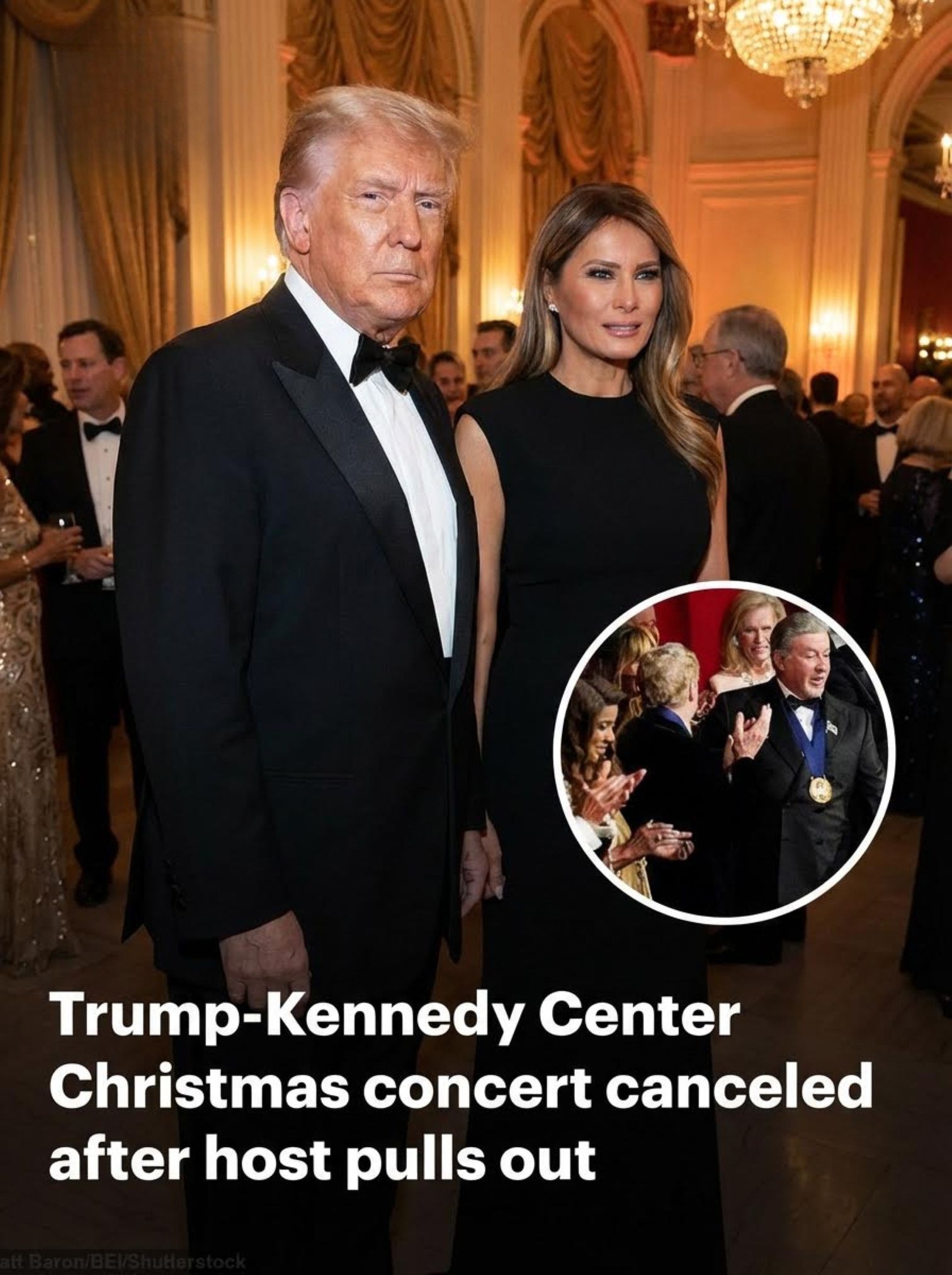
The disagreement has now spilled into legal territory, with disputes over naming and rights. Yet even if the courts sort out the technical details, they can’t restore what was lost. Traditions survive on trust. Once that trust cracks, winning an argument doesn’t bring the audience back.
For loyal attendees, the darkened Christmas Eve stage said enough. They didn’t see a strategic update. They saw a hole where a ritual used to live. The Kennedy Center was designed as a living memorial—one meant to rise above trends and politics. When a beloved tradition disappears because branding takes precedence over people, the mission itself comes into question.
This moment reflects a larger challenge facing cultural institutions everywhere. In the push to reinvent, many forget that their real value lies in memory. Jazz understands evolution—but it also honors the original melody. Change works best when it builds on what people already love. Remove the foundation, and the whole song falls apart.
The quiet this Christmas was a reminder that traditions don’t sustain themselves. They exist because artists, audiences, and institutions respect one another. When that balance breaks, the magic fades fast. Chuck Redd chose integrity over prestige, and his empty place on stage told a story no statement could soften.
Washington is a city built on monuments. The Kennedy Center was meant to be the one that sang. This year, it didn’t. And for many who made that concert part of their lives, the message was clear: an institution can survive rebranding, but it can’t thrive without its soul.
If the music returns, it will take more than a new campaign. It will take listening—to the artists who give the place its voice and the audiences who give it meaning. Until then, the silence stands as the loudest reminder of all.