
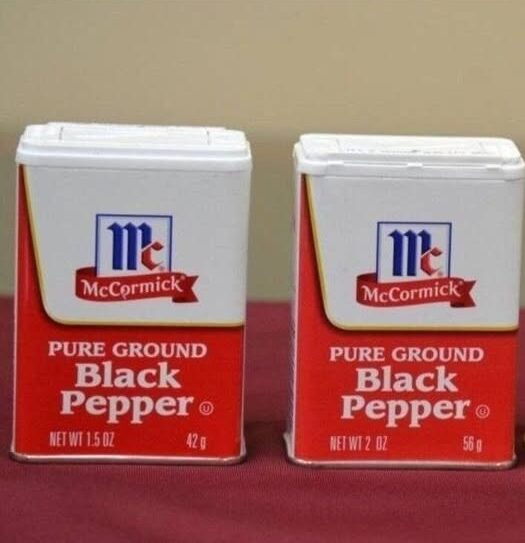
Why Packaging Matters More Than Labels
The legal challenge centers on a simple idea: presentation can steer perception without changing a single word on the label. McCormick notes that accurate net weight is printed on the bottle. Critics counter that companies know most shoppers don’t read fine print during quick grocery runs. Our brains rely on shortcuts—and packaging is one of the biggest.
Adding fuel to the fire, some customers have filed a class action claim saying they believed they were buying the same amount of pepper as before. The case now puts a spotlight on how “shrinkflation” can feel invisible until it hits your pantry at home.
How This Affects Shoppers
For everyday buyers, the impact is both financial and emotional. Bigger-looking containers often signal better value, even when the math says otherwise. Over time, discovering less product than expected can chip away at trust. When changes feel subtle or unclear, people start to wonder what else they might be missing.
Trust Is the Real Ingredient
Beyond any courtroom outcome, this moment is about credibility. Brands grow on consistency and transparency. Technical accuracy on a label isn’t always enough if the overall design encourages misunderstanding. As shoppers become more savvy, companies face growing pressure to make changes obvious—not just legal.
Small design choices can move big buying decisions. And when presentation drifts from reality, trust is what’s at stake.
Have you noticed products quietly shrinking on your grocery runs? Drop your experience in the comments—and share this with someone who loves a good deal but hates hidden changes.