
Cracking an egg may feel routine, but it quietly reveals valuable information about how that egg was produced. From the strength of the shell to the color of the yolk, eggs offer clear clues about the diet, living conditions, and overall health of the hen that laid them. Once you understand these indicators, identifying high-quality eggs becomes simple—and your meals benefit as a result.
Choosing eggs from healthy chickens supports better nutrition, improved food safety, and superior taste. Below are six dependable signs that help determine whether an egg comes from a well-cared-for hen or from less ideal farming conditions.
1. Shell Strength and Surface Quality
The shell is the first and most visible indicator of egg quality. A good egg should feel firm and resilient in your hand, not brittle or powdery. You shouldn’t be able to crack it with light pressure. Thin or fragile shells often signal nutritional deficiencies in the hen, particularly low calcium or insufficient vitamin D intake.
While shell color varies by chicken breed and doesn’t affect nutrition, uniform coloration does matter. Healthy eggs typically have smooth, evenly colored shells without cracks, bumps, or rough patches. Misshapen or uneven shells can point to stress, overcrowding, or inadequate feed. Eggs from pasture-raised or responsibly farmed chickens often have noticeably thicker shells due to better overall care.
2. Egg White Texture and Clarity
Once cracked open, the egg white—also called the albumen—provides important insight. High-quality eggs have clear, thick whites that stay close to the yolk rather than spreading thin across the pan or bowl. This gel-like consistency reflects freshness and proper hen nutrition.
Watery egg whites that spread quickly can indicate age or a lack of protein and essential minerals in the chicken’s diet. Strong albumen acts as a natural cushion for the yolk and develops when hens receive balanced feed, adequate sunlight, and experience low stress.
3. Yolk Color and Structure
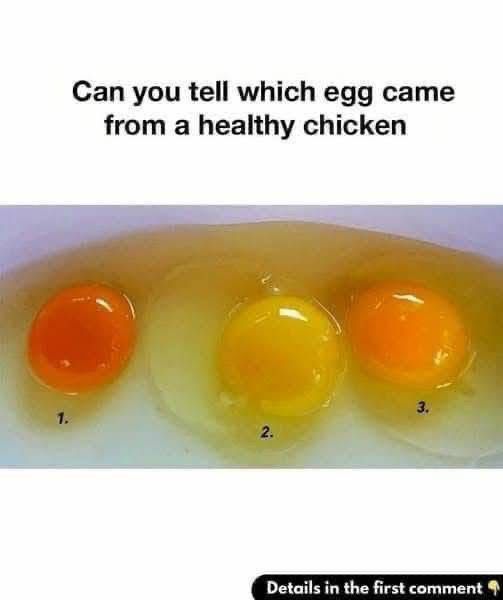
The yolk is often the most telling visual feature. Eggs from healthy chickens typically contain yolks that are vibrant in color and sit high rather than flattening out. Deep yellow or orange yolks usually come from hens with access to diverse foods such as grasses, seeds, insects, and leafy greens. These natural foods are rich in carotenoids, which enhance yolk color and nutritional value.
Pale yolks often result from grain-heavy diets. While not unsafe, they tend to contain fewer beneficial nutrients. A strong yolk membrane is also important—if the yolk holds together when gently touched, it’s a positive sign of good hen health and proper egg formation.
4. Interior Consistency and Spotting
Occasional blood or meat spots inside eggs can occur naturally and are not harmful. However, frequent spotting may suggest flock stress or less favorable living conditions. Eggs from calm, clean environments tend to have a more consistent interior appearance.
Rather than focusing on perfection, look for patterns. One minor irregularity isn’t concerning, but repeated inconsistencies may indicate lower overall egg quality.
5. Freshness and Odor
Smell is one of the most reliable food safety indicators. A fresh egg from a healthy chicken should have little to no odor when cracked open. Any sulfur-like, sour, or unpleasant smell is a clear sign the egg should not be consumed.
Even after cooking, fresh eggs maintain a neutral aroma. While improper storage can affect freshness, eggs laid by healthy hens and handled properly are far less likely to develop off-putting odors.
6. Water Test Performance
A quick water test offers additional insight into egg freshness. Place the egg gently into a bowl of cold water. Fresh eggs sink and rest flat at the bottom. As eggs age, air builds up inside the shell, causing them to stand upright or float.
Eggs from healthy chickens often stay fresh longer because stronger shells help retain moisture and slow air exchange. Floating eggs are best discarded.
Why Healthy Chickens Produce Better Eggs
Chickens raised in low-stress environments with access to outdoor space, natural foraging, and clean living conditions produce eggs with higher nutritional value. These eggs often contain more omega-3 fatty acids and higher levels of vitamins A, D, and E, along with improved flavor and texture.
Sanitation also matters. Clean housing reduces the risk of bacteria on the shell, improving food safety. Chronic stress, overcrowding, and poor nutrition can disrupt egg development, weaken shells, and reduce internal quality.
Making Smart Choices When Buying Eggs
Labels like “pasture-raised,” “free-range,” and “organic” often indicate better farming practices, though they vary in definition. Purchasing from local farms or trusted producers can offer even more transparency. Asking how chickens are fed, housed, and cared for provides valuable insight into egg quality.
The Bottom Line
High-quality eggs reflect healthy chickens. Firm shells, thick egg whites, rich yolks, minimal odor, and good performance in the water test all point to responsible farming and better nutrition.
By paying attention to these simple signs, you support ethical food production, enjoy better cooking results, and make informed decisions that benefit both your family and the animals that provide your food.