
Maintaining Cleanliness Safely
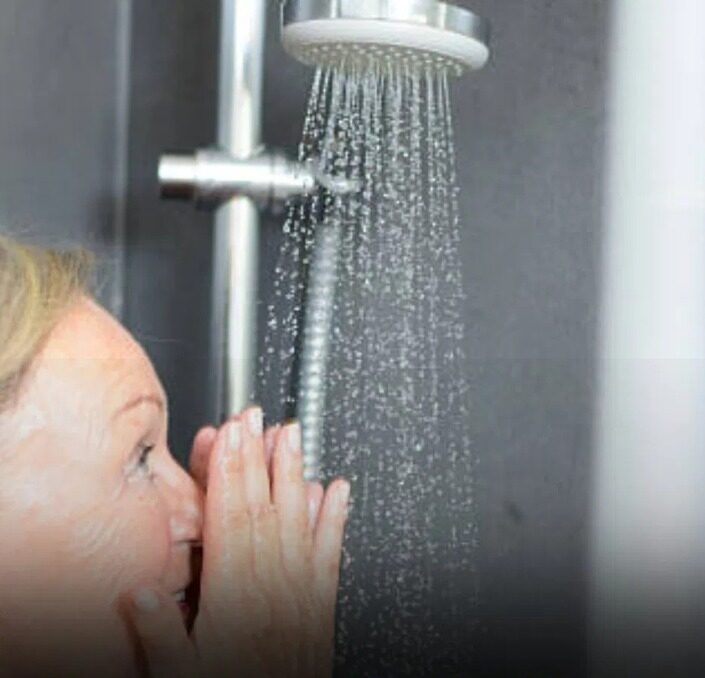
Cleanliness is still essential—but how it’s achieved matters. Many dermatologists recommend full-body showers every other day, or even just two to three times per week. On days without a full shower, washing key areas like the face, underarms, hands, and groin can maintain freshness without over-drying the skin.
Water temperature is also important. Lukewarm water is gentler than hot water and helps preserve moisture. Keeping showers brief—around five to ten minutes—further protects sensitive skin.
Choosing Gentle Products
Not all soaps and body washes are created equal. Many remove oils aggressively, which can harm mature skin. Fragrance-free, moisturizing cleansers designed for sensitive or aging skin are a better choice. Harsh scrubbing tools, loofahs, and rough washcloths should also be avoided, as they can cause micro-injuries.
After bathing, patting the skin dry rather than rubbing helps prevent irritation. Leaving a small amount of moisture on the skin provides an ideal base for moisturizer. Applying a thick cream or ointment immediately after showering helps lock in hydration, reduce dryness, and protect the skin barrier.
Adapting to Individual Needs
Some older adults sweat more due to activity, climate, or medical conditions and may need more frequent showers. In these cases, shorter showers, cooler water, and limited use of soap can reduce negative effects. Certain medications or conditions like eczema, diabetes, or circulation issues make gentle routines even more important.
The Emotional Side of Bathing
Showering isn’t just about hygiene; it’s also relaxing, grounding, and a source of independence. Adjustments should support these benefits, not take them away. Aging often calls for a shift from intensity to intention—doing things gently and thoughtfully, rather than simply doing more.
Listening to the skin’s signals—tightness, irritation, or dryness—helps guide better habits. When the skin feels comfortable, looks calm, and heals well, it’s usually a sign the routine is working.
Key Takeaways for Healthy Skin After 65
Reduce full-body showers to every other day or a few times per week.
Wash key areas on non-shower days to maintain freshness.
Use lukewarm water instead of hot water.
Choose mild, fragrance-free cleansers and avoid harsh scrubbing.
Pat skin dry gently and moisturize immediately after bathing.
Adjust routines based on activity, climate, and medical needs.
Growing older doesn’t mean giving up the pleasures of feeling fresh and clean. It means treating the body with care and understanding. With gentle showering practices, mature skin can remain healthy, resilient, and comfortable for years to come.