
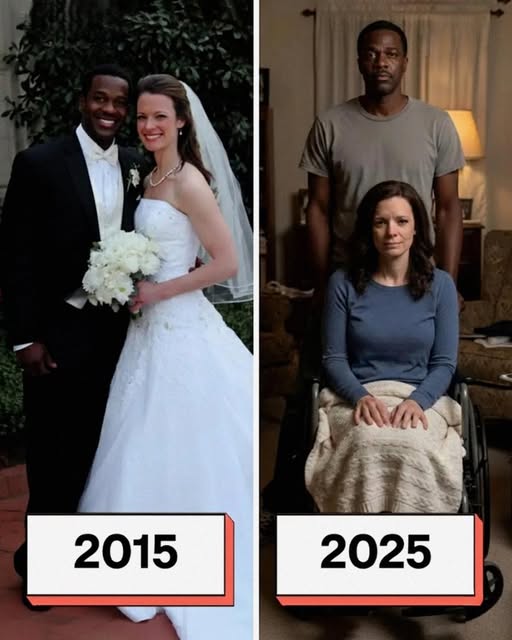
I’m 35, and before the accident, I was the one holding our household together. I managed the bills, cooked, cleaned, scheduled appointments, dealt with insurance, handled repairs, and kept everything running while my husband conveniently avoided “adulting.”
“Can you just handle it?” he’d say, flashing that familiar grin like it was a favor. “You’re better at this.”
Whenever he switched jobs or “needed a break,” I adjusted, picked up extra hours, and quietly absorbed the strain. I told myself that’s what marriage was: sometimes one person carries more, and the balance evens out.
We’d been together ten years. I thought we were solid.
Then everything changed with a car accident.
The Accident That Changed Everything
I don’t remember the moment of impact. One second, I was at a green light; the next, the sterile white glare of a hospital ceiling. I survived, but my legs were badly injured. Not paralyzed, not permanent, but weak enough that I couldn’t stand or walk alone. I left the hospital in a wheelchair, facing a recovery plan that sounded simple but proved daunting.
“Six to nine months of physical therapy,” the doctor said. “You’ll likely walk again, but you’ll need help with transfers, bathing, and mobility. No weight-bearing for now.”
Inside, I was terrified. I had always been independent—the helper, the doer. Asking for help felt foreign.
I thought my husband would step up, that love would look like care and patience. Instead… it didn’t.
When Love Comes With a Price Tag
The first week at home, he was present, technically. He assisted with meals, showers, and transfers, but every action felt begrudging. He vanished into his office or left for hours on “errands.” If I asked for help more than once, he sighed, annoyed.
A week in, he sat on the edge of the bed, looking uncomfortable.
“Listen,” he said. “We need to be realistic.”
I nodded warily. “Realistic how?”
“You’re going to need constant help—day in, day out. I didn’t sign up to be a nurse,” he said.
I blinked, waiting for a joke. None came.
“You signed up to be my husband,” I said.
“This is different. It’s like a full-time job. My life, career, social time—all paused,” he explained.
Then came the kicker:
“If you want me to stay and take care of you, I want to be paid. A thousand dollars a week.”
I laughed, thinking it was absurd.
He was serious.
“You’ve earned more than I have for years. You carried us. Now you pay up. I’m not your nurse.”
I was stunned. My own husband wanted compensation to be my caregiver while I was vulnerable, recovering from trauma.
The Reality of Paying Your Spouse to Care
I swallowed my pride. I had no immediate alternative. My mother lived out of state; my sister worked nights. He knew I was trapped.
“Fine,” I said. “A thousand a week.”
And that’s how it began: I transferred money every Friday. In return, I received the bare minimum of care. Showers were rushed, meals dropped off, requests met with sighs. My independence felt like a debt I couldn’t escape.
He spent hours on his phone, left the house for “errands,” and I sat in my wheelchair, helpless and frustrated.
Then I discovered the betrayal.
Betrayal Hidden in Plain Sight
One night, I noticed messages on his phone. Screenshots revealed texts between him and a friend of mine, joking about my condition, mocking the money I sent, and laughing about their “dates.” My stomach churned.
I realized paying him hadn’t bought care—it had bought humiliation.
Taking Back Control
I stopped pleading. I paid as required but stopped trusting him. I contacted my sister, and together we gathered evidence, screenshots, and documents. We reached out to a lawyer. My sister moved in to provide support, stability, and genuine care.
Meanwhile, I prepared for the next step: reclaiming my life.
The Day I Took a Stand
Weeks later, on a Friday, I handed him divorce papers along with proof of his infidelity and exploitation. His protests and tears were irrelevant.
“I survived a car crash. I survived losing my independence. I survived paying my husband to stay in the same room while he mocked me. I will survive without you,” I told him.
He left, and I never looked back.
Recovery, Independence, and Real Love
With my sister’s support, I rebuilt my life. I documented therapy milestones, celebrated every small victory, and reclaimed my dignity.
When I finally walked across the living room with a cane, it wasn’t just a physical achievement—it was symbolic. I had survived trauma, betrayal, and loss of independence.
Now, I understand that true love doesn’t come with invoices. Anyone who values you only when you’re convenient or profitable never truly loved you—they loved what you could provide.