
Congressional Authorization: Congress must pass an amendment to the Military Selective Service Act, which the President must then sign into law. This authorizes the induction of personnel into the Armed Forces.
Activation of the Selective Service System (SSS): Once authorized, the SSS begins its mobilization, opening area offices and notifying local board members to prepare for induction claims.
The National Draft Lottery: This is a public, nationally televised event where birth dates and sequence numbers are randomly drawn to determine the order of call.
Who is First in Line?
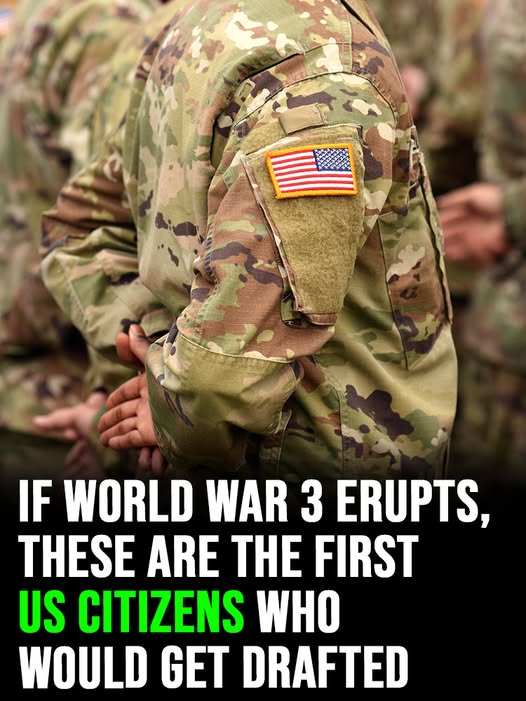
The “priority of call” is strictly defined by age. According to Selective Service guidelines, the first individuals to receive induction orders are those whose 20th birthday falls during the calendar year of the lottery.
If the military’s personnel requirements are not met by the 20-year-old cohort, the lottery expands to include those aged 21, 22, 23, 24, and 25. Younger individuals (those aged 19 and 18.5) are only called as a last resort.
The Mandatory Registration Requirement
While the draft itself has been inactive since 1973, the requirement to register remains a cornerstone of federal law.
Who Must Register: All male U.S. citizens and male immigrants (including green card holders, refugees, and undocumented individuals) living in the U.S. between the ages of 18 and 25 are required to register.
The Compliance Gap: Starting in December 2026, a provision in the Fiscal Year 2026 National Defense Authorization Act will shift the burden from the individual to the state, requiring the SSS to register eligible residents automatically using federal databases.
The Consequences of Non-Compliance
For those who are not automatically registered and fail to sign up, the legal and professional repercussions are severe. Failure to register is a felony that carries:
Fines up to $250,000 and/or up to five years in prison.
Ineligibility for federal and many state-based student loans and grants.
Disqualification from federal job training and most government employment.
For immigrants, a potential five-year delay in U.S. citizenship proceedings.
Processing for Service: From Lottery to Induction
Once a lottery number is called, the process moves into its final, most personal phase. Registrants are ordered to report to a Military Entrance Processing Station (MEPS).
At MEPS, individuals undergo a rigorous series of examinations—physical, mental, and moral—to determine their suitability for service. Only after being deemed “fit for duty” is an individual officially inducted. The Selective Service is structured to deliver its first draftees within 193 days of the onset of a crisis and the corresponding legislative authorization.
The current geopolitical landscape—marked by military operations in Venezuela, threats toward Iran, and strategic maneuvers in Greenland—has accelerated talk of a “defense supercycle.” As these tensions mount, the infrastructure of the draft remains a quiet but powerful reminder of the obligations inherent in the relationship between a nation and its people.