
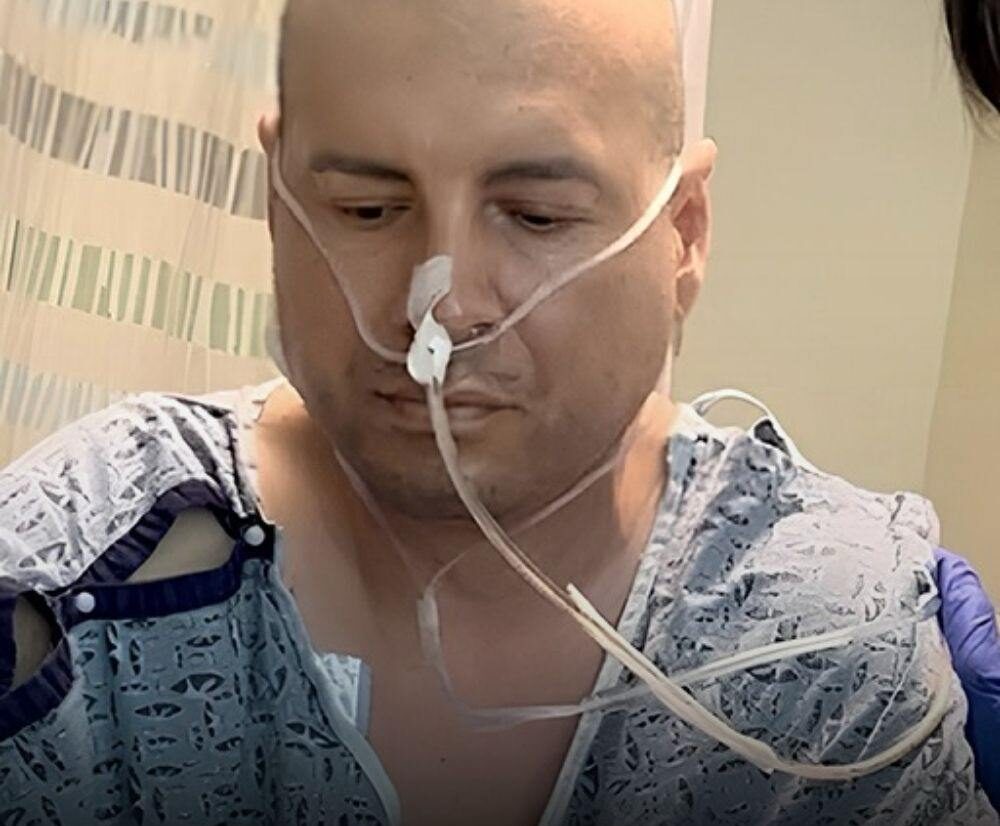
Difficulty swallowing, known as dysphagia, is a common but often ignored symptom, particularly among older adults. Many brush it off as just part of aging. But, as Mark’s experience proves, the body does not distinguish between the normal aging process and the onset of something more serious. When Mark sought medical advice, he encountered a more insidious issue: the assumption that his good health made him immune to serious illness. Because he was young, fit, and lacked the typical profile of a cancer patient, his doctor dismissed his symptoms as routine acid reflux. Though a swallowing test was eventually suggested, it wasn’t given the urgency that would have been afforded to someone with more obvious risk factors.
This delay in diagnosis—a result of “medical negligence through delay”—is a frustrating reality for many, especially those who appear healthy on the surface. When a patient looks fine, clinicians may unconsciously focus on more common, benign causes for their symptoms, overlooking the possibility of something more serious. In Mark’s case, this delay allowed a tumor the size of a strawberry to silently grow within his esophagus.
The situation finally reached a crisis point when the discomfort turned into severe pain. Swallowing became almost impossible, and Mark rushed to the emergency room. It was there, amidst the chaos of the ER, that the truth was revealed: a mass was detected in his esophagus. Within days, the once-healthy, active 41-year-old was diagnosed with esophageal cancer. The weight loss he had attributed to his new fitness regimen and healthy diet was, in fact, the first sign of his body being ravaged by the disease.
The battle that followed was a long and difficult one. In October, Mark underwent a major surgery to remove nearly 15 centimeters of his esophagus. Surgeons extracted the tumor and reconstructed his digestive tract using a section of his intestine. It was a successful but grueling procedure that left Mark physically drained. Recovery wasn’t just about healing a surgical wound; it involved rebuilding his ability to process food and live without a significant portion of his digestive system.
Mark’s recovery journey was far from over. After surgery, he began a difficult regimen of chemotherapy designed to eliminate any remaining cancer cells. The treatments were tough—physically exhausting and emotionally draining—but Mark’s focus remained unwavering: his children. He knew that his survival was not just for himself, but for the two young lives that depended on him.
Beyond the physical and emotional toll, Mark’s journey also highlighted the brutal financial realities of a cancer diagnosis. Even with insurance and a steady job, the costs associated with cancer treatment—specialized surgery, chemotherapy, and long-term care—were staggering. This reality serves as a wake-up call for Americans, particularly those on fixed incomes. It underscores the need for comprehensive healthcare planning, including life insurance and critical illness coverage, to avoid financial ruin during a medical crisis.
Today, Mark is in remission, but his journey is far from over. He will spend the next several years under close observation from his oncology team, but he approaches the future with a renewed sense of gratitude and a powerful message for others: patients must be their own advocates. If something doesn’t feel right, if a symptom persists, or if a doctor dismisses your concerns, it’s crucial to push for further testing. Your health is in your hands, and it’s essential to be your own loudest advocate when it comes to your survival.
Mark’s story is especially resonant for seniors. Age should never be used as an excuse for ignoring symptoms like persistent fatigue, difficulty swallowing, or unexplained weight loss. Early detection remains the most powerful tool in fighting illness, but it requires a partnership between a proactive patient and a responsive medical team. Mark’s experience proves that while life can change in an instant, early intervention and the refusal to ignore your body’s signals can give you the strength to fight back.
The key takeaway is simple but vital: listen to the subtle signals your body sends. Trust the quiet whispers before they become an undeniable shout, and ensure you have the right healthcare support systems in place to act swiftly when needed. Mark Sevillano Jr. reclaimed his life by demanding to be heard—and his story serves as a powerful reminder for others to do the same.