
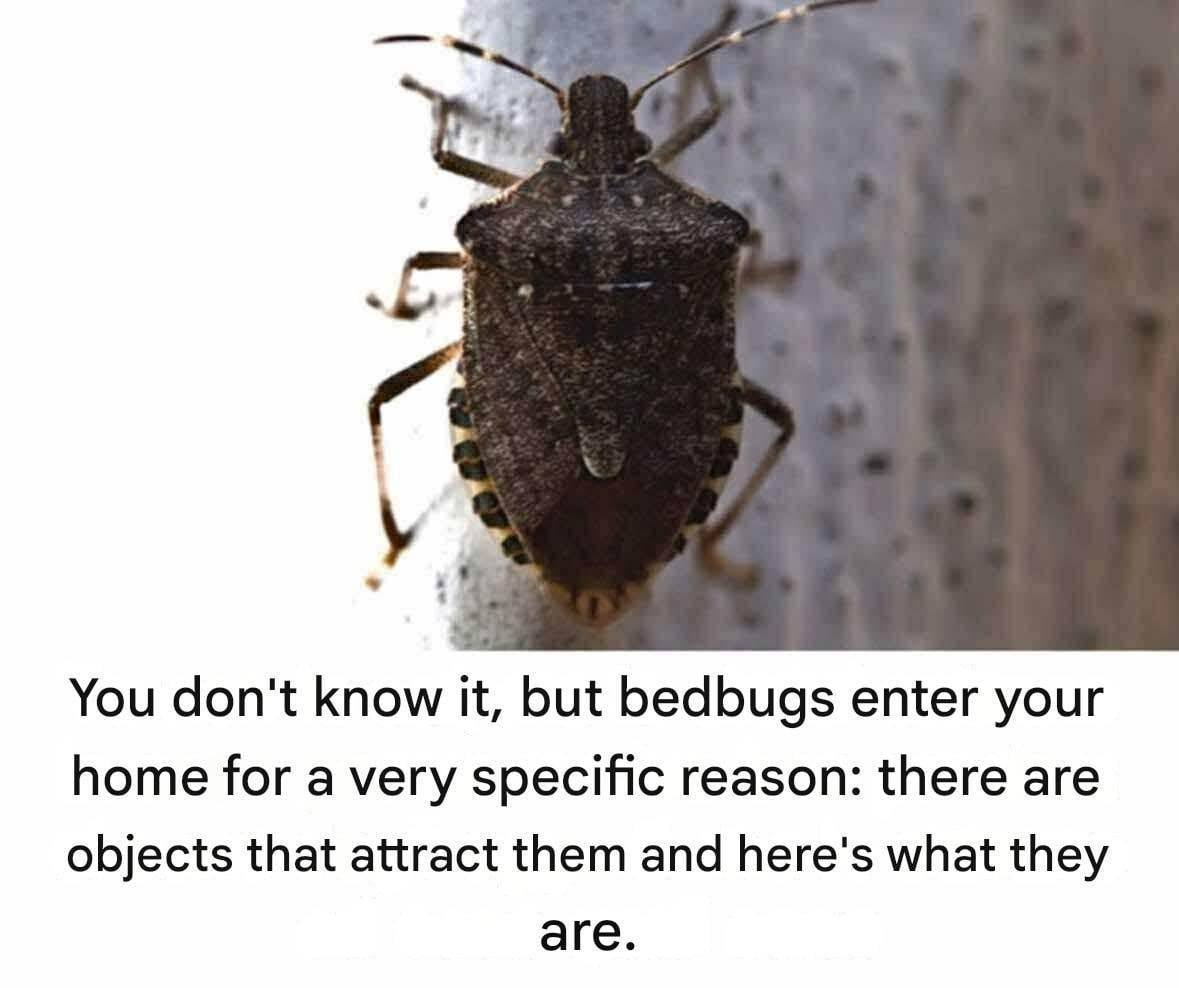
A common online claim about household pests has been spreading quietly—and it requires a clear, factual correction. A recent article labeled a particular insect issue as a “bedbug” problem, but the characteristics described do not match bedbugs in any scientific or practical sense. This distinction is critical. Misidentifying insects can cause unnecessary anxiety, lead homeowners to use the wrong pest control methods, and result in wasted time and money.
Accurate insect identification is the foundation of effective home pest management. When different species are confused, people often assume the worst-case scenario—especially with pests that carry a strong social stigma. In reality, the situation described was far less severe and far easier to manage.
Why This Was Not a Bedbug Issue
True bedbugs (Cimex lectularius) are highly specialized indoor parasites. They survive exclusively on human blood and are completely dependent on human living spaces. They do not live outdoors, do not originate from gardens or plants, and do not wander into homes seasonally.
Bedbugs remain hidden in mattresses, box springs, bed frames, furniture seams, baseboards, and tiny wall crevices. They avoid daylight and typically emerge only when people are sleeping. If an insect is visible crawling on walls, windows, or ceilings during the day, it is almost certainly not a bedbug.
Color is another immediate giveaway. Bedbugs are flat, oval-shaped, and reddish-brown—never green. After feeding, they become darker and slightly swollen, but green coloring alone rules them out entirely.
How Bedbugs Actually Spread
Bedbugs do not migrate from outside environments. They spread almost exclusively through human activity, such as:
- Luggage and travel bags
- Used furniture and mattresses
- Bedding and clothing
- Shared housing, hotels, dormitories, and public transportation
They are not attracted to houseplants, humidity, radiators, or outdoor warmth. Without access to a human host, bedbugs cannot survive long-term.
The Insect Described Fits a Different Profile Entirely
The behavior described in the original article aligns closely with green stink bugs, particularly species in the Palomena group. These are outdoor insects, not parasites.
Green stink bugs:
- Live on plants and feed on vegetation
- Are common in gardens, fields, and wooded areas
- Do not bite humans for food
- Do not live in bedding, furniture, or clothing
They often enter homes seasonally, especially during cooler months. As temperatures drop, they seek warmth and shelter indoors, which is why homeowners notice them near windows, doors, wall cracks, and light sources.
Their appearance indoors can feel sudden, but it is driven by weather changes—not infestation.
Behavior and Prevention Differences Matter
Green stink bugs are attracted to light and warmth, which explains why they cluster near sunny windows, lamps, and heating sources. Unlike bedbugs, they do not reproduce in sleeping areas and do not establish hidden colonies inside furniture.
Another major difference involves odor sensitivity. Stink bugs are often deterred by strong natural scents such as:
- Mint
- Lavender
- Vinegar
- Eucalyptus
These solutions are commonly used in natural pest control and indoor prevention strategies. Bedbugs, on the other hand, are not reliably affected by household scents and usually require professional extermination services.
Why Mislabeling Causes Unnecessary Panic
Bedbugs are associated with extensive treatment plans, costly professional removal, furniture disposal, and long-term disruption. Green stink bugs are not. They are considered a seasonal household nuisance, not a dangerous infestation.
When people mistake stink bugs for bedbugs, they often take extreme and unnecessary measures that do not address the real issue.
The Correct Conclusion
If you are seeing green insects, noticing them near windows or doors, or encountering them primarily during fall or seasonal transitions, you are not dealing with bedbugs. The appropriate response includes:
- Sealing entry points
- Reducing indoor light attraction
- Using natural repellents
- Practicing standard home pest prevention
The factual correction is simple but essential: Palomena species are green stink bugs, not bedbugs. They have different life cycles, different behaviors, and require completely different pest control solutions.
Clear, accurate information empowers homeowners to respond calmly and effectively. In this case, the difference is significant—the gap between managing a temporary seasonal pest and confronting a true indoor parasite. Knowing which one you’re facing makes all the difference.