
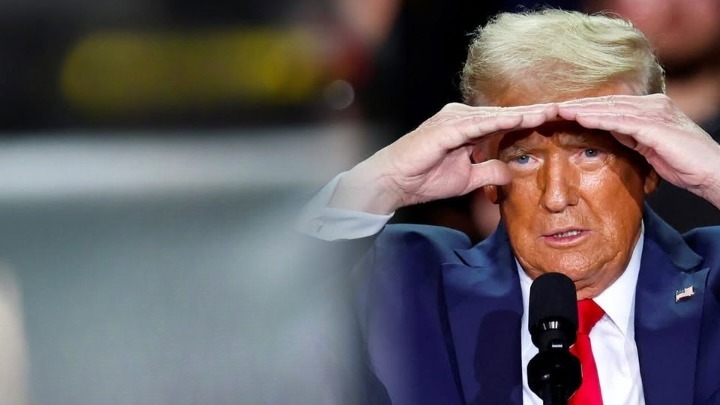
On a Saturday that will likely be analyzed for decades, the geopolitical balance in the Middle East shifted with stunning speed. In a brief but explosive announcement posted to social media, President Donald J. Trump—serving his second term—confirmed that U.S. forces had carried out coordinated strikes on three major Iranian nuclear facilities. Among them was Fordo, the heavily fortified enrichment site long considered the most sensitive pillar of Iran’s nuclear program.
The message was unmistakably framed as historic. Trump described the operation as a decisive step for U.S. national security, Israel’s defense, and global stability. Within minutes, capitals around the world moved into crisis mode. Emergency diplomatic calls began, the United Nations Security Council prepared to convene, and long-standing fears about escalation suddenly felt immediate.
For years, Fordo symbolized the limits of military pressure. Built deep inside a mountain near Qom, the facility was designed to withstand conventional airstrikes. Its public exposure in 2009 alarmed Western intelligence agencies, who assessed that its hardened structure made it ideal for advanced uranium enrichment. Until now, successive U.S. administrations relied on sanctions, negotiations, covert actions, and cyber operations. This strike marked a clear break from that strategy.
By targeting Fordo directly, Washington signaled that deterrence through delay had given way to preemption. The long-discussed red line was no longer theoretical—it had been enforced. The decision reflected a belief within the administration that Iran’s nuclear progress had reached a point where waiting carried greater risks than acting.
From the White House’s perspective, the strikes were framed as a necessary intervention to prevent a nuclear-armed Iran and reset regional power dynamics. Supporters called the move bold and overdue, arguing it restored credibility after years of stalled diplomacy. The President’s language suggested Iran now faced a stark choice: escalation or restraint.
Tehran’s response was swift and firm. Foreign Minister Abbas Araghchi condemned the strikes as illegal and a violation of international law, citing the UN Charter and Iran’s right to self-defense. Iranian officials stated they were reserving “all options,” a phrase widely interpreted as signaling asymmetric retaliation rather than immediate conventional conflict.
Continue reading on the next page…