
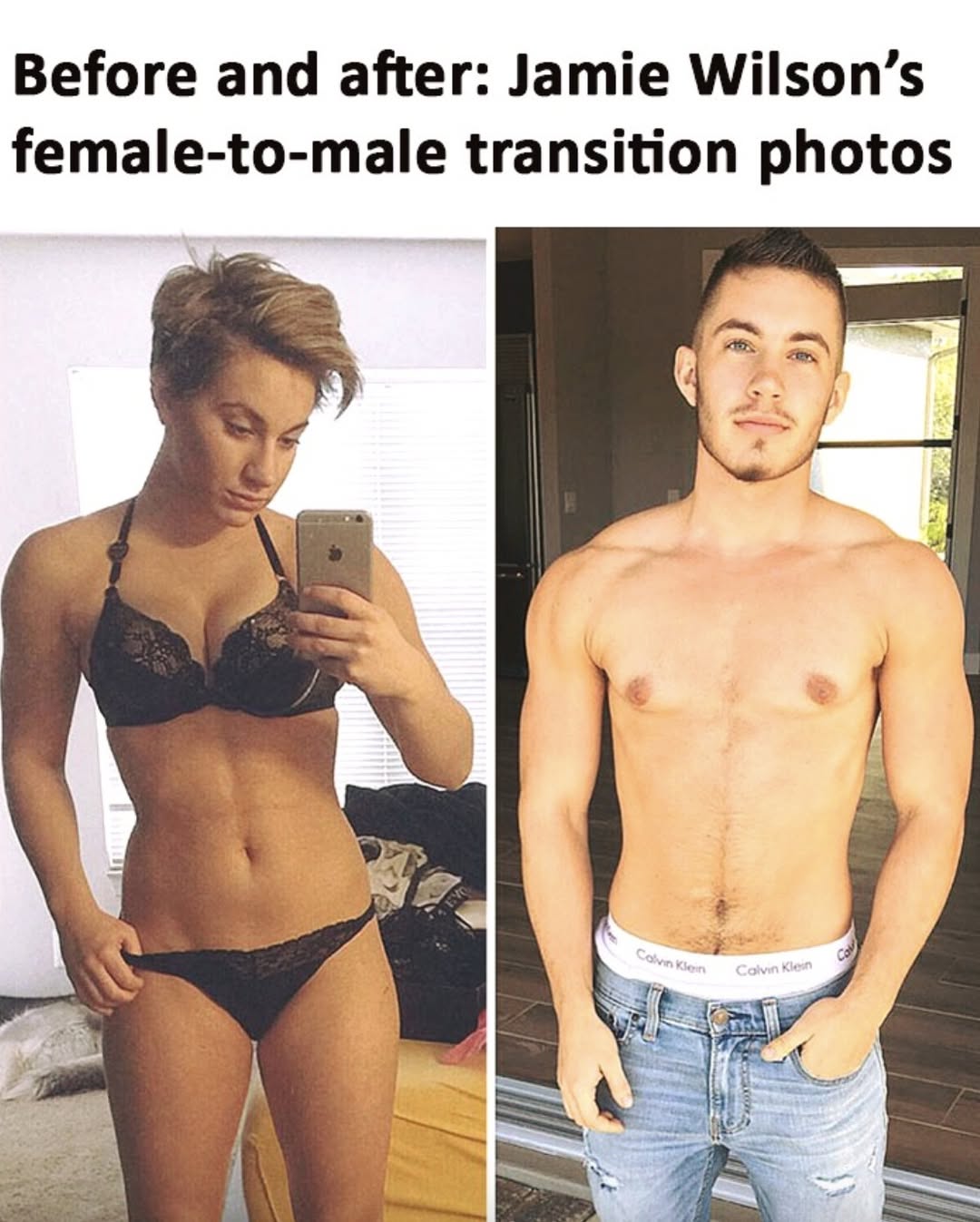
Conversations around gender identity and personal transformation have become more open in recent years, allowing more people to share their lived experiences. These stories offer insight, understanding, and visibility—especially when individuals choose to document their journeys honestly. One such story belongs to Jamie Wilson, a musician, model, and advocate whose female-to-male transition has resonated with audiences around the world.
Through widely shared before-and-after photos, Jamie, now 28, has given a transparent look into what it means to live authentically. His journey highlights not only physical change, but also emotional resilience, personal growth, and the importance of self-acceptance.
A Public Journey Toward Authentic Living
Jamie Wilson was assigned female at birth but began transitioning in 2015 after embracing his male identity. Since then, he has undergone long-term testosterone therapy as part of his gender-affirming process. While the transition has brought positive change, it has also come with challenges that reflect the broader experiences of many transgender individuals.
“When I first came out, people didn’t believe I was a man because of how feminine I had presented for most of my life,” Jamie has shared.
His experience underscores how social expectations can complicate personal identity, especially when appearance doesn’t align with stereotypes.
Music, Modeling, and Growing Visibility
By 2018, Jamie was gaining recognition as both a folk-pop musician and a fashion model. He appeared on the cover of Candy magazine and worked with major fashion brands, including men’s lifestyle labels. At the same time, he became increasingly visible as an LGBTQ+ advocate, using his growing platform to promote inclusivity and awareness.
With hundreds of thousands of followers across Facebook and Instagram, Jamie openly documents his life and transition, making his content part of a broader wellness and mental health conversation.
“Music helps people connect beyond labels,” he explained in an interview with The New York Times, noting that art can help bridge understanding between communities.
Viral Photos and Public Attention
About a year into his transition, Jamie shared a set of before-and-after photos on Facebook, including some shirtless images that highlighted physical changes from hormone therapy. The post quickly went viral, reaching more than 13 million views and drawing attention from celebrities and media outlets alike.
“That’s when everything really changed,” Jamie said, referring to the sudden public interest.
The photos became a focal point for conversations around gender identity, body confidence, and authenticity in the digital age.
Career Shifts and Unexpected Challenges
As his public profile grew, Jamie noticed an unexpected shift in his career. “People actually started paying more attention to my music after my transition,” he noted. Ironically, this came at a time when he had to retrain his voice due to changes in his vocal cords caused by testosterone therapy.
Having experienced the physical and emotional demands of gender-affirming care, Jamie speaks openly about the importance of patience, resilience, and self-trust throughout the process.
Family Strain and Personal Boundaries
In 2020, Jamie shared that he was no longer in contact with most of his family. While painful, he spoke candidly about the reality many people face when their identity isn’t accepted by loved ones.
“You don’t have to agree with every choice your child makes,” he said. “But love should always come first.”
Despite this loss, Jamie continues to focus on healing, independence, and building chosen family—an important theme in many human interest and mental health stories.
Advocacy and Ongoing Challenges
Living in New York City, Jamie feels a strong responsibility to continue speaking openly about his experiences. He has emphasized that progress is ongoing and that conversations around rights and inclusion remain necessary.
“Right now, visibility matters,” he explained. “I hope one day it won’t be as controversial, but until then, I’m not going to stop talking about it.”
Even with widespread support, Jamie has faced criticism—some accusing him of being “too masculine” or trying to conform too closely to traditional male standards. Others questioned his identity because he didn’t show stereotypical “signs” earlier in life.
His response has remained consistent and empowering.
A Message of Self-Acceptance
On social media, where he now has more than 300,000 followers, Jamie addressed critics directly:
“There’s no checklist for being transgender. You don’t need to prove anything to anyone.”
Sharing more transition photos, he added that personal journeys are never identical and that self-discovery looks different for everyone.
“This life is about becoming who you truly are,” he wrote. “No two paths are the same.”
More Than a Transformation Story
Jamie Wilson’s story goes beyond physical change. It’s a narrative about personal development, emotional strength, and building confidence in a world that often resists difference. By sharing his journey publicly, he has helped foster a sense of belonging for others navigating similar paths.
His message remains clear and widely relatable: everyone deserves to live authentically, be respected, and feel valued for who they are.