
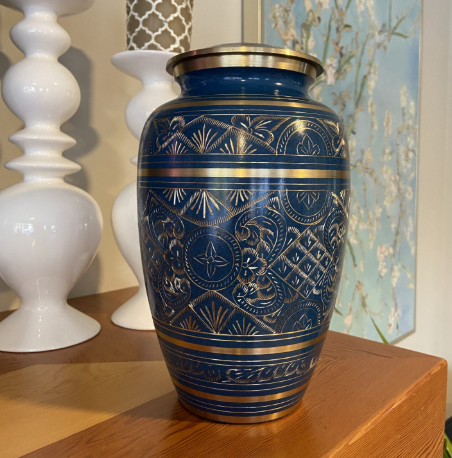
Losing someone you love leaves behind a silence that no explanation can soften. In that space, many people look for something tangible—something grounding—to help them stay connected to the person who meant everything to them. For some, that connection comes from keeping a loved one’s ashes at home. As cremation becomes increasingly common, families often pause and ask: Is this the right thing to do? Is it healthy? Is it respectful?
The answer isn’t universal. It’s deeply personal.
For many grieving hearts, an urn placed beside a photograph, a candle, or a cherished belonging becomes a quiet source of comfort. It’s not about holding on to loss—it’s about honoring love. Especially after decades spent together, having that presence nearby can ease the sharp edges of grief and bring a sense of peace during lonely moments.
Spiritual and religious perspectives vary widely.
Some belief systems emphasize release, encouraging ashes to be returned to nature or placed in a sacred resting place. The idea is that letting go supports both the departed and the living in continuing their journeys. In these traditions, movement forward is seen as an act of love, not abandonment.
Christian views have evolved over time. Today, most denominations—including the Catholic Church—accept cremation and recognize it as a dignified choice. The emphasis is placed on treating the ashes with reverence, keeping them in a meaningful and respectful location rather than as something ordinary. Many Protestant traditions focus less on the physical remains and more on remembrance, prayer, and the enduring presence of the soul.
Continue reading on the next page…