
From a grief-support perspective, the most important question is simple: Does this help you heal?
If keeping ashes at home brings calm, reassurance, or a sense of closeness, it can be a healthy part of the grieving process. But if their presence feels heavy, overwhelming, or prevents forward movement, another form of remembrance may feel more supportive. Memorial gardens, memory books, charitable acts in their name, or personal rituals can offer comfort without intensifying sorrow.
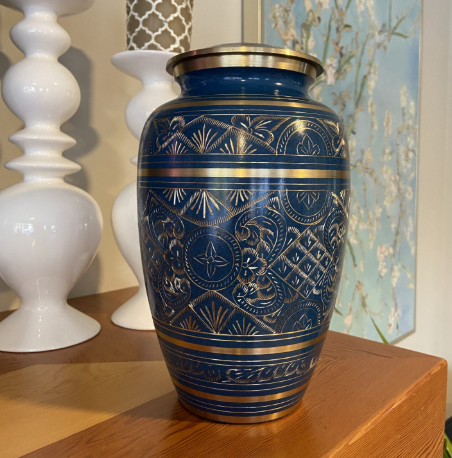
There are also practical matters to consider. Choosing a secure, durable urn helps ensure long-term care. Local laws should be understood before scattering ashes, and families benefit from discussing future plans so wishes remain clear and respected. Some people create keepsake memorials or divide a small portion of ashes among relatives, allowing multiple loved ones to hold a connection in a way that feels manageable.
In the end, there is no rulebook for grief. The question of where ashes belong isn’t answered by pressure, superstition, or rigid tradition. It’s answered by love—by what brings peace, honors a life well lived, and supports those left behind.
Whether ashes remain at home, return to the earth, or rest in a sacred space, their meaning comes from intention. From tenderness. From remembrance.
What matters most isn’t where they are—but why.