
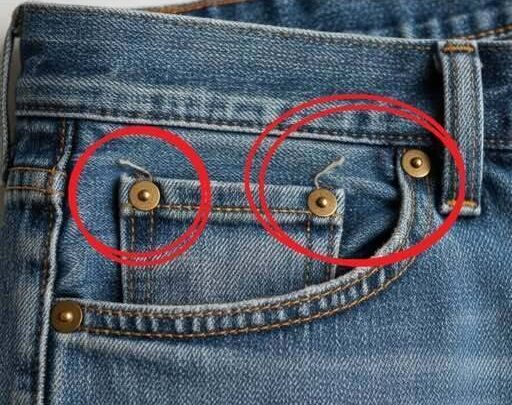
Most people slip into a pair of jeans without giving them a second thought. The fit matters. The color matters. Comfort matters. But those tiny metal dots near the pockets? They usually go unnoticed. At a glance, they seem decorative—just another rugged detail meant to make denim look tough. In reality, those small metal pieces exist for one reason: without them, jeans wouldn’t have lasted long enough to become the global staple they are today.
Those metal dots are called rivets, and they’re doing far more work than their size suggests.
A Small Solution to a Big Problem
A rivet is a simple metal fastener designed to reinforce stress points where fabric is most likely to tear. Corners of pockets, seams, and areas under constant tension take the most abuse. Today, rivets are iconic. In the late 1800s, they were a necessity.
Jeans weren’t fashion items back then. They were work equipment. Miners, railroad crews, ranch hands, and laborers needed pants that could survive daily punishment. Denim was strong, but it wasn’t indestructible. Pockets ripped open. Seams split. Buttons tore loose.
A tailor named Jacob Davis heard these complaints again and again. Instead of redesigning the pants, he reinforced their weakest points using copper rivets—the same kind used in industrial tools. The result was immediate. The pants lasted longer. Much longer.
Davis knew the idea was valuable, but he couldn’t afford to protect it. He partnered with his fabric supplier, Levi Strauss, and together they patented riveted jeans in 1873. The goal wasn’t style. It was survival.
How Rivets Became a Denim Signature
Word traveled fast among workers. Pants that didn’t fall apart were worth paying for. Demand surged, and rivets became standard on denim trousers. Over time, jeans moved beyond job sites and into everyday life—but the rivets stayed.
Continue reading on the next page…