
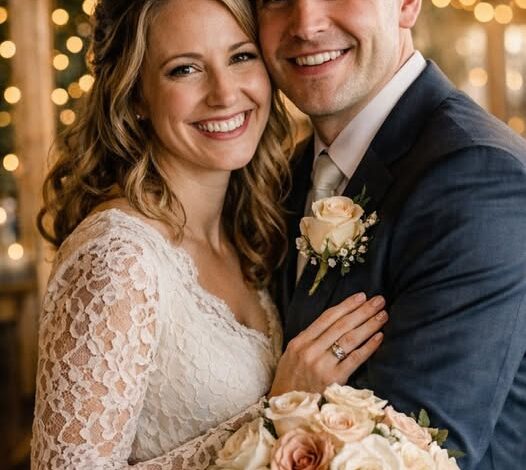
He never visited them. Never called. Never shared stories. At first, I told myself it was a boundary I should respect. Love meant patience, right?
Now I know it was a warning I ignored.
The Conversation I Should Have Taken Seriously
One night, we were eating dinner at our tiny kitchen table when Karl set his fork down like the weight of something invisible had landed on his shoulders.
“Do you ever wonder what life would be like with more money?” he asked.
I tried to keep it light. “In this economy? A small raise would feel like winning the lottery.”
He shook his head. “I mean real money. The kind that buys freedom. The kind where you don’t check your bank account before groceries. You can travel whenever you want. Start a business without fear it’ll ruin you.”
I smiled, half teasing. “You sound like you’re selling me a scam.”
Then I softened, because I loved him. “Sure, it sounds nice. But we’re okay. As long as I have you, I’m happy.”
Karl’s voice dropped. “As long as we’re together and we don’t have to answer to anyone else, we’ll be fine.”
I should have asked what he meant.
I didn’t.
Our Wedding Day Turned Into a Nightmare
On our wedding day, the reception hall glowed with warmth—music, clinking glasses, friends laughing like the world was simple and safe.
Karl looked happier than I’d ever seen him. Jacket off, sleeves rolled up, smiling like the future had finally opened its arms.
Then, mid-laugh, his face changed.
His body jolted as if he was reaching for something that wasn’t there. He stumbled.
And then he hit the floor.
The sound of it—his body against the ground—still lives in my bones.
I dropped beside him, my wedding dress spreading across the dance floor like a cruel joke. People crowded in, then backed away, then surged again. Someone shouted for help. Someone else cried my name.
When the paramedics arrived, everything turned into sharp, terrifying fragments—“clear,” “again,” “no response.”
And then the stretcher rolled out the doors.
I stood in the middle of the dance floor, frozen, staring at the entrance long after he was gone, as if my eyes could force him to come back.
The Funeral—and the Missing Family
I handled everything myself because there was no one else to do it.
In Karl’s phone, the only relative I could find was a cousin named Daniel. He came to the funeral, but no parents. No siblings. No grieving family line.
After the service, Daniel stood off to the side of the cemetery with his hands in his pockets, looking more uncomfortable than heartbroken.
Grief had burned away my politeness.
“Where are they?” I demanded. “His family. Their son is dead.”
Daniel exhaled like he’d been waiting for the question. “They’re… complicated.”
“What does that even mean?”
He hesitated, then said it plainly. “They’re wealthy. And they don’t forgive the kind of mistake Karl made.”
Before I could press him, Daniel’s phone buzzed. He glanced at the screen like it was a lifeline.
“I’m sorry,” he muttered. “I have to go.”
And just like that, I was alone again—standing over fresh dirt, trying to understand how a person could vanish from a family without leaving a trace.
I Ran Because Staying Felt Impossible
That night, I went back to the house Karl and I shared. Everything looked the same—his shoes near the door, the quiet hum of the refrigerator, the couch where he used to fall asleep.
It felt like he might walk in at any second.
Before dawn, I packed a backpack and left.
No plan. No destination that meant anything. I just needed distance—something I could control when the rest of my life had been ripped apart.
I bought a bus ticket to a place I’d never been and sat by the window, watching the city fade into gray morning.
For the first time all week, I could breathe.
The Stranger Who Sat Next to Me
At the next stop, new passengers climbed aboard. A man slid into the empty seat beside me.
I turned—and my blood went cold.
It was Karl.
Before I could make a sound, he leaned in and whispered, “Don’t scream. You need to hear the truth.”
My mind refused to cooperate. My body went numb.
“What are you talking about?” I managed. “I buried you.”
Karl swallowed hard. “I had to. I did it for us.”
People across the aisle glanced over. He kept his voice low, urgent.
“My parents cut me off years ago,” he said. “I refused to join the family business. They wanted control over everything. When they heard I was getting married, they offered me a way to ‘fix’ my mistake.”
He looked at me like he expected relief.
“They said they’d restore my access to the family money if I came back—if I returned with my wife and rejoined the family.”
My throat tightened. “And that explains you faking your death how?”
He answered like it was obvious. “They transferred the money a few days before the wedding. A lot of money. Enough that we’d never worry again.”
I stared at him. “So you came back from the grave to tell me we’re rich?”
“I came back to get you,” he said. “So we can disappear. We keep the money, and they never get control. We can go anywhere. Start over.”
My hands started shaking.
“You let me plan your funeral,” I said, voice barely holding together. “You let me watch them carry you out while I was still in my wedding dress.”
His expression hardened, frustrated. “I knew you’d understand once I explained.”
That was the moment something in me snapped—not loudly, not dramatically, just a clean break where trust used to be.
“No,” I said quietly. “You did it for the money.”
“That’s not fair,” he hissed. “You don’t understand what kind of opportunity this is.”
“You didn’t tell me because you knew I’d say no.”
The Confession He Didn’t Realize I Was Recording
I reached into my bag and turned on my phone’s voice recorder without him noticing.
Then I asked, as calmly as I could, “How did you even pull it off? The paramedics… the doctor…”
He hesitated, then finally muttered, “Daniel helped. The paramedics were actors—they thought it was some staged event. And the doctor owed him a favor.”
An older woman across the aisle leaned forward, eyes sharp.
“Excuse me,” she said, loud enough for half the bus to hear, “did this man just say he pretended to die at his own wedding?”
Karl stiffened. “Mind your business.”
She didn’t blink. “It stopped being private when he started confessing on public transportation.”
Karl turned back to me, urgent again. “We’ll get off here, head to the airport, and then—”
I stood up, my legs unsteady but my mind suddenly clear.
“Unless you’re planning to walk with me into a police station, I’m not going anywhere with you.”
His voice dropped into a desperate whisper. “Megan, don’t ruin our chance to be happy.”
I walked down the aisle without looking back.
The Only Ending That Made Sense
Across the street, there was a police station.
I stood on the sidewalk shaking, my wedding ring heavy on my hand like something borrowed from a life that wasn’t real.
Inside, I handed an officer my phone and played the recording.
And in that moment, I understood the truth with painful clarity:
Karl really did die on our wedding day—just not in the way everyone thought.
The man I married was gone. What was left was a stranger who believed money was worth more than honesty, more than love, more than the life we were supposed to build together.
If this story hit you in the gut, share your thoughts in the comments: what would you have done in my place—walk away quietly, or go straight to the police? And if you want more real-life relationship and money-drama stories like this, stick around and read the next one.