
It wasn’t a casual tap. It was firm, official—like it carried bad news before anyone spoke. When I opened it, a police officer stood there. He didn’t use many words. He didn’t have to.
There had been a car accident.
Ethan was gone—instantly.
In a few sentences, my entire future was erased. Our apartment stopped feeling like home and started feeling like a place where grief lived. His jacket still hung over a chair. His mug was still by the sink. Every corner held proof that he had existed—and proof that he wasn’t coming back.
I barely ate. I barely slept. I spent nights clutching one of his hoodies, breathing in the scent that was fading a little more every day. I kept telling myself the nausea and exhaustion were just stress. Just heartbreak. Just my body reacting to trauma.
But it didn’t go away.
So I went to a clinic, expecting a quick answer and maybe a prescription for something to help me function again.
Instead, the nurse looked at my results and said the words that made my vision blur.
I was pregnant.
And then she added, almost as an afterthought:
“With twins.”
If Ethan had been there, he would’ve been shocked in the happiest way. He would’ve laughed, held my face, and started debating baby names before we even reached the parking lot.
But he wasn’t there.
And I wasn’t just grieving—I was suddenly responsible for two tiny lives I hadn’t planned to raise alone.
As the weeks passed, things got even more frightening. The pregnancy was labeled high-risk. I needed bed rest, frequent monitoring, and—most importantly—someone nearby in case something went wrong. Living alone in that apartment wasn’t just lonely. It was unsafe.
That’s when my dad stepped in.
He told me to come home.
When I walked through his front door, he hugged me so tightly it felt like the first real support I’d had since Ethan died. He didn’t hesitate, didn’t ask for explanations, didn’t make me feel like a burden.
“This is your home,” he said, like it was the most obvious thing in the world.
For the first time in weeks, I could breathe.
But my dad wasn’t the only person living there.
His wife—my stepmom, Veronica—was the kind of woman who always looked camera-ready. Perfect hair, flawless makeup, expensive taste. She didn’t seem like someone built for real-life messes like grief, medical complications, and a pregnant daughter moving back in.
Her smile when she saw me wasn’t welcoming. It was tight. Measured. Like she was already deciding how much of a problem I was going to be.
I did everything I could to keep the peace.
I stayed in the guest room. I cleaned up after myself immediately. I thanked her for everything, even when she barely responded. I tried to be invisible.
My dad, though, made up for all of it. He brought me tea and extra pillows. He sat beside me and told stories from when I was little. He rubbed my swollen feet and reminded me—over and over—that I wasn’t alone.
For a while, I believed we might actually get through it.
Then my dad got sick.
It wasn’t the kind of slow decline where you have time to prepare your heart. It happened fast. One week he was sitting near me reading, acting like everything would be fine. A few days later, he was gone.
I barely had time to process losing him before Veronica made her next move.
Two days after the funeral, she walked into the kitchen like nothing had changed. Silk robe. Perfect makeup. A glass of wine in her hand.
“You need to start packing,” she said, calm as if she were discussing groceries.
I just stared at her.
“You have 36 hours,” she continued. “This house is mine now. I don’t want you or your… situation here.”
My stomach dropped. I was due in two weeks. I could barely stand for long without getting dizzy. My doctor had warned me about stress, about blood pressure, about the risks of going into labor early.
“Where am I supposed to go?” I asked, gripping the counter to steady myself.
She shrugged like it wasn’t her problem.
I tried one last time, desperate and shaking.
“Dad would never allow this.”
That’s when she smirked, like she’d been waiting for me to say it.
“Your dad isn’t here,” she replied.
And then she called someone.
A man showed up—Mike, her boyfriend. Loud. Confident. Acting like he belonged there more than I did. Veronica pointed toward my room and told him, without hesitation, to do whatever it took to get me out.
When he moved toward the door, panic hit me like a wave. I wasn’t just being pushed out—I was being threatened. I called for help, and thankfully, authorities arrived before anything escalated further.
But the message was clear:
Staying there wasn’t safe anymore.
I packed as quickly as my body would allow, hands trembling, head spinning, trying not to cry because I could feel the stress tightening my chest. I grabbed essentials, a few keepsakes, and whatever baby items I could manage to carry.
Then something happened that I’ll never forget.
As I dragged my suitcase across the floor, a thick envelope slipped out from between my things and landed at my feet.
I recognized it immediately.
A month earlier, my dad had handed it to me quietly, almost like he didn’t want anyone else to notice.
“Don’t open this until I’m gone,” he’d said.
At the time, I didn’t question it. I couldn’t handle more heavy conversations. I tucked it away and focused on getting through each day.
Now, sitting there with my life in boxes and my heart in pieces, I opened it.
Inside were legal documents—clear, signed, and official.
My dad had transferred the house to me before he passed.
He had anticipated exactly what Veronica might do. And he had made sure she couldn’t do it.
Overnight, everything changed.
The next morning, I walked back into that house—not as someone begging for a place to stay, but as the legal owner.
Veronica’s face went pale when I placed the paperwork in front of her.
She tried to argue. She tried to twist the story. She tried to claim it wasn’t valid.
But facts don’t bend for tantrums.
With the documents verified, she was the one given a deadline to leave.
This time, she wasn’t handing out ultimatums.
She was receiving one.
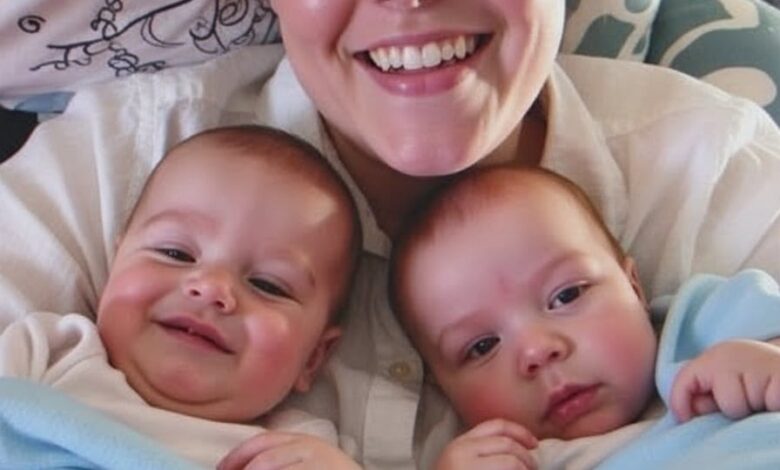
Two weeks later, I delivered two healthy baby girls.
And when I sat in that living room afterward—holding them, listening to the quiet, watching the sunlight hit the same walls my dad once leaned against—I felt something I hadn’t felt in a long time.
Not just relief.
Protection.
My dad was gone, but his love wasn’t. He had found a way to keep taking care of me even after he couldn’t be there in person. That house wasn’t just property—it was a promise he kept.
And every time I look at my daughters, I remember: even when life collapses, real love leaves a safety net behind.
Enjoy stories like this? Share your thoughts in the comments—what would you have done in my situation? And if you want more real-life family drama, survival stories, and turning-point moments, bookmark this page and come back for the next one.