
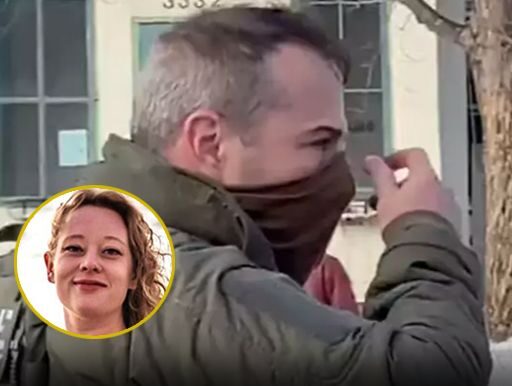
Emmons framed the effort as “1,000 percent justified,” writing, “After seeing all the media BS about a domestic terrorist getting GoFundMe, I feel the officer deserves a GoFundMe.” By January 13, Ross was reportedly in contact with organizers to access the growing seven-figure fund.
High-profile backing escalated the controversy. Billionaire investor Bill Ackman confirmed he donated $10,000 to Ross’s fund, drawing immediate criticism. Critics called it “rewarding a murderer,” while Ackman defended the contribution, saying his support was about due process, not politics. “I supported Ross because he will need significant funds to cover his defense costs,” Ackman explained. “Guilt or innocence should be determined by the legal system, not the virality of social media.”
The result is a stark illustration of America’s divisions: while one side sees Ross as a hero, another views the public fundraising as a dangerous endorsement of state violence. Within two weeks, the man who pulled the trigger is backed by a million-dollar war chest, igniting debate over police accountability, social media influence, and justice in the digital age.
The investigation into the shooting is ongoing, and questions about Ross’s actions remain unresolved. What is clear is that the financial and public response has amplified the national conversation, forcing the country to grapple with the complex intersection of law enforcement, social media, and public opinion.
Where do you stand? Share your thoughts in the comments below and join the conversation on this controversial case.