
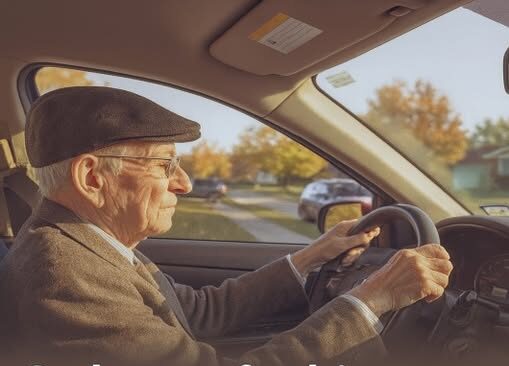
At the heart of the issue is a philosophical divide: is driving a right or a privilege? For many seniors, losing access to a car means losing autonomy, social engagement, and quality of life. That’s why most experts agree the goal should not be restriction, but support—helping older adults stay on the road safely for as long as possible.
One widely supported solution is voluntary health checkups. Regular visits with a physician can assess eyesight, reflexes, and cognitive function early, allowing adjustments before risks escalate. In some cases, doctors may suggest practical limits—daytime driving only, avoiding highways, or steering clear of high-traffic areas.
Refresher driving courses are another growing option. Designed specifically for seniors, these programs update drivers on modern traffic rules, road designs, and new vehicle technologies. Many participants admit they hadn’t revisited driving theory in decades. Instructors report that most leave feeling more confident, not less—better informed rather than judged.
In some French regions, these courses are offered free through community programs, framing them as preventive care rather than punishment. The message is clear: staying safe is a shared goal, not a personal failure.
Technology also plays a role. Automatic transmissions, backup cameras, blind-spot alerts, and enhanced mirrors can significantly reduce physical and mental strain. Workshops and local associations increasingly help seniors understand how these tools can adapt vehicles to changing needs.
Driving schools are joining the effort as well, offering private senior-focused sessions. These aren’t exams—they’re conversations. Instructors provide honest feedback in a respectful setting, helping drivers recognize subtle warning signs before they become serious problems.
Public perception matters, too. Too often, isolated incidents dominate headlines, reinforcing stereotypes about elderly drivers. In reality, many seniors maintain exemplary safety records built on decades of experience, patience, and rule-following. The discussion should emphasize education and partnership, not fear or blame.
Internationally, countries are experimenting with different models. The UK requires license renewal every three years after age 70, relying on self-declared fitness. Sweden asks for medical clearance after 75. Japan requires cognitive testing for drivers over 75. Each system reflects a different balance between oversight and autonomy.
France’s reliance on personal responsibility reflects a deep respect for individual freedom—but with one in three citizens projected to be over 60 by 2050, experts agree the policy may need refinement. Infrastructure improvements, clearer signage, better lighting, and simpler intersections can also make roads safer for drivers of all ages.
Families play a critical role as well. Loved ones often notice changes first: hesitation at intersections, missed turns, near-misses. These conversations are never easy, but when approached with empathy rather than confrontation, they can protect both safety and dignity.
In the end, the issue isn’t whether seniors should drive—it’s how they can continue driving safely. With the right support, honest self-reflection, and practical tools, aging doesn’t have to mean giving up mobility.
What’s your view—should senior driving rely on self-assessment, medical checks, or a mix of both? Join the discussion and share your perspective.