
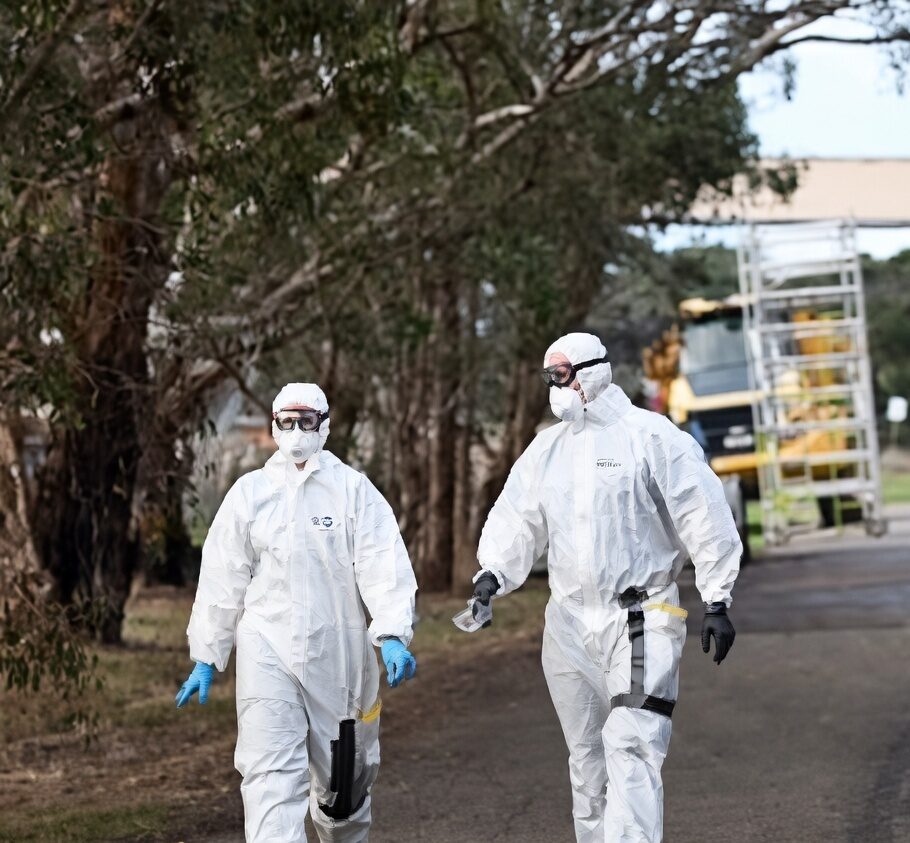
The stakes are particularly high for pigs, which can host both avian and human flu strains. Co-infection could produce a hybrid virus capable of rapid human spread with a high mortality rate—a scenario that experts call a “nightmare for public health.” Wildlife such as foxes, skunks, and seals are also showing infections, signaling that the virus is moving beyond farms into the broader ecosystem.
Preparations are underway, with Moderna contracted for an mRNA H5N1 vaccine and 20 million doses already stockpiled. The U.S. can produce up to 100 million additional doses if needed, and antivirals like Tamiflu are on hand. But distribution logistics remain a challenge, and environmental monitoring shows the virus is widespread in wastewater, suggesting a higher-than-reported prevalence.
The USDA now requires milk producers to submit samples for testing, after traces of the virus were found in retail milk—even though pasteurization makes the products safe. Experts emphasize that public behavior—avoiding raw poultry, steering clear of sick animals, and practicing biosecurity—remains crucial to prevent further spread.
The message from virologists is clear: this is no longer a hypothetical threat. H5N1 is actively evolving, and the U.S. must act decisively to prepare for the next mutation. Past pandemics have shown that viruses respect neither borders nor politics, and history’s lessons must guide the nation’s response now.
💬 Stay informed and proactive. Have you updated your household’s health and safety measures against emerging viruses? Share your strategies and help spread awareness.