
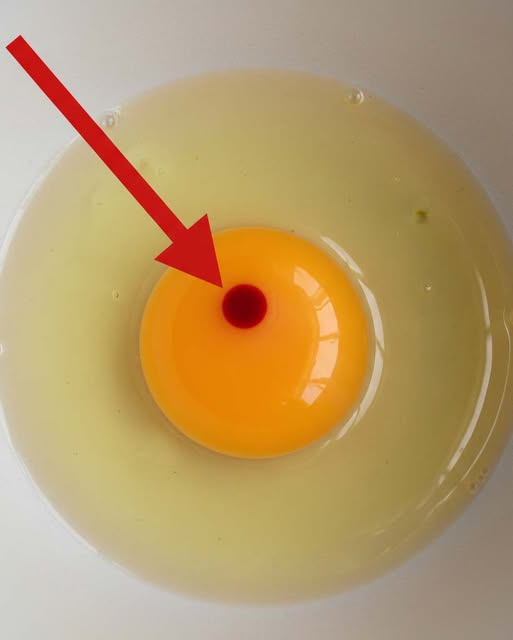
Red Spots in Eggs: What They Are and Whether You Should Worry
Cracking open an egg and spotting a small red or reddish-brown speck can be surprising. Many people immediately wonder if the egg has gone bad or if it’s unsafe to eat. While the sight may look unusual, these tiny spots are usually harmless and are a natural part of how eggs form.
Understanding why these spots appear can help ease concerns and ensure you know when an egg is perfectly safe to use in your cooking.
What Are the Red Spots in Eggs?
The small red specks occasionally found in eggs are known as blood spots. They occur when a tiny blood vessel inside the hen’s ovary or reproductive tract breaks during the egg-forming process. As the yolk develops and travels through the hen’s system, a small drop of blood may become trapped inside the egg.
Sometimes what looks like a blood spot may actually be a “meat spot.” These spots are small bits of tissue from the hen’s reproductive tract and often appear brown, gray, or tan instead of bright red.
Both blood spots and meat spots are natural variations and do not indicate illness or contamination.
A Common Myth About Fertilized Eggs
Many people believe that a red spot means the egg is fertilized or that a chick had started to develop. In reality, this is a misconception.
Most eggs sold in grocery stores come from hens that have never been around a rooster. Without fertilization, an embryo cannot form. A blood spot is simply the result of a tiny vessel breaking during egg formation—not a sign of fertilization.
Why Do These Spots Sometimes Appear in Store-Bought Eggs?
Commercial egg producers inspect eggs through a process called candling, where bright light shines through the egg to detect internal irregularities. Eggs with noticeable spots are typically removed before packaging.
However, extremely small spots can occasionally pass through the inspection process, which is why you might still find one from time to time in a carton at home.
Factors That Can Increase Blood Spots
Certain conditions can make blood spots slightly more likely to occur:
Older hens tend to produce eggs with spots more often.
Nutrition imbalances in a hen’s diet may contribute to minor vessel breaks.
Genetics can influence how frequently certain hens produce spotted eggs.
Environmental stress, such as temperature or lighting changes, may affect egg production.
These factors are natural variations within the egg-laying process.
Why Brown Eggs Sometimes Show Spots More Often
People often report seeing blood spots more frequently in brown eggs than in white ones. This doesn’t necessarily mean they occur more often.
Continue reading on the next page…